
Renault SA and the Ford Partnership for Affordable Electric Vehicles
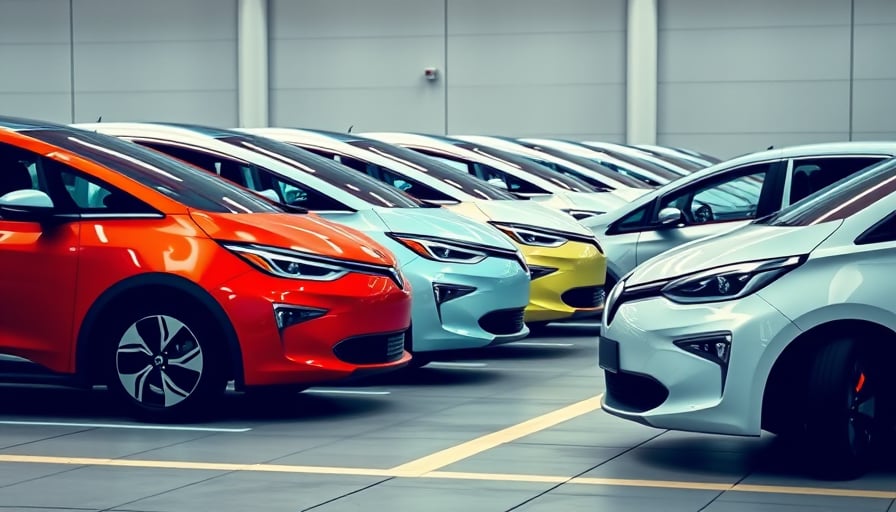
Renault SA, a French automotive manufacturer listed on NYSE Euronext Paris, has entered into a strategic alliance with the American automaker Ford Motor Company. Under the agreement, Ford will design two affordable electric‑vehicle (EV) models that will be developed jointly with Renault and manufactured in the Douai plant in northern France. Production is scheduled to begin in the first quarter of 2028. The partnership is part of Ford’s broader product offensive in Europe and is intended to increase the company’s share of the growing EV market while keeping the two brands distinct.
In addition to the EV collaboration, Renault and Ford have signed a letter of intent to cooperate on the development and manufacture of light commercial vehicles (LCVs) across Europe. This joint venture is expected to leverage Renault’s experience in the LCV segment and Ford’s global supply chain to create cost‑effective vehicles for commercial customers.
Market Impact and Performance
Renault’s share price closed at EUR 36.76 on 2025‑12‑07. The company’s market capitalization stands at approximately EUR 10.8 billion. Despite a negative price‑earnings ratio of –0.858, Renault’s recent operations have shown resilience. In November 2025, Renault achieved a 16.9 % increase in sales in the United Kingdom, returning to the top ten European brands. This performance underscores the company’s ability to compete in a market where electric and hybrid vehicles are gaining traction.
The partnership with Ford is expected to reinforce Renault’s position in the EV segment. By leveraging Ford’s design expertise and Renault’s manufacturing capabilities, the alliance aims to deliver high‑quality, affordable EVs that meet European regulatory requirements and consumer expectations.
Strategic Significance
- Cost Efficiency – Shared development and production facilities are projected to reduce unit costs for both companies.
- Brand Distinction – The agreement maintains clear brand identities, allowing each company to target its respective customer base while benefiting from shared technology.
- Supply Chain Integration – Joint development of light commercial vehicles will enhance supply chain robustness and create new revenue streams.
Renault’s participation in this alliance aligns with its long‑term strategy of expanding its electric vehicle portfolio and strengthening its presence in key European markets.