XIANGYANG AUTOMOBILE BEAR: Riding the Robot Wave in a Resilient Market
The Shanghai and Shenzhen exchanges opened to a mixed picture on 23 October 2026, yet the robot sector emerged as a clear bright spot for investors. Among the 84 stocks that hit the daily limit‑up that day, several names tied to the robotics and automation ecosystem experienced sustained gains, reflecting a renewed investor appetite for the technology that powers modern manufacturing and consumer products.
Market Context
A broad‑based rally marked the day: the Shanghai Composite rose 0.89 % to 3,690.48, the Shenzhen Component climbed 2.79 % to 11,673.83, and the ChiNext (创业板) surged 4.16 % to 2,684.10. Trading volume across the three major exchanges totaled 1.97 trillion CNY, a sharp increase of more than 430 billion CNY from the previous day. The overall sentiment was bullish, particularly in the robotics, software development, semiconductor and battery subsectors, all of which saw positive price action.
XIANGYANG AUTOMOBILE BEAR’s Position
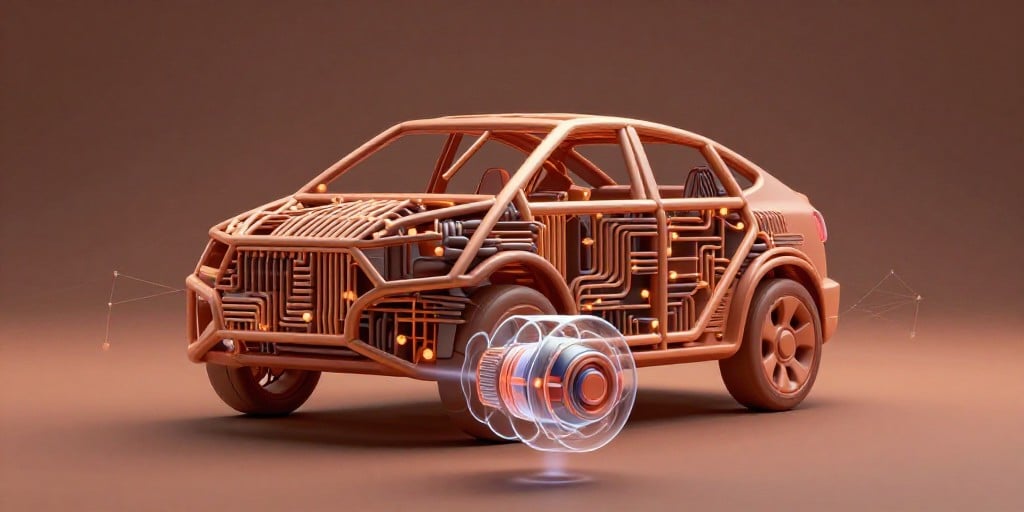
XIANGYANG AUTOMOBILE BEAR, listed on the Shenzhen Stock Exchange, operates in the automobile components sector and focuses on bearing technology that is essential for robotic actuators and precision machinery. With a market capitalization of 5.03 billion CNY and a closing price of 12.03 CNY on 21 October 2026, the stock is trading far below its 52‑week high of 16.74 CNY and above its 52‑week low of 7.32 CNY. The company’s price‑earnings ratio stands at –98.85, indicating that earnings are currently negative, a situation that is not uncommon in high‑growth, capital‑intensive sectors such as robotics.
Recent Performance Highlights
- Consistent Limit‑Up Activity: The company’s shares were included in the group of 84 limit‑up stocks on 23 October 2026, a testament to investor confidence and the perceived alignment with the broader robot theme.
- Robotics Momentum: The day’s coverage noted that key players in the robot space—including 大业股份, 兆威机电, and 华阳智能—saw multiple consecutive limit‑ups. XIANGYANG AUTOMOBILE BEAR’s inclusion alongside these names underscores its role as a component supplier to the evolving robotics ecosystem.
- Sector‑Driven Demand: The article cited the Chinese Ministry of Commerce’s data, reporting a 22.6 % rise in sales of embodied intelligent robots during the first three quarters of 2026. This surge in consumer and industrial robotics demand directly benefits bearing manufacturers that provide the precision motion control required for such systems.
Strategic Implications
The robot boom presents both opportunities and challenges for XIANGYANG AUTOMOBILE BEAR:
| Opportunity | Challenge |
|---|---|
| Supply‑chain Integration – As automation spreads across automotive and consumer electronics, demand for high‑precision bearings is expected to grow. | Profitability Pressure – A negative P/E ratio highlights the need to convert sales growth into earnings, requiring efficient cost management and potentially higher pricing power. |
| Technological Leverage – Advanced bearing designs can improve robot reliability and performance, creating a competitive edge. | Capital Expenditure – Scaling production and investing in R&D for next‑generation materials may strain cash flow in the short term. |
| Cross‑Sector Collaboration – Partnerships with robot OEMs can open new revenue streams and foster co‑development projects. | Market Volatility – Robotics stocks are sensitive to broader market sentiment; a shift to risk‑off mode could depress valuations. |
Outlook
While the company’s current valuation reflects the high costs associated with rapid expansion into the robotics supply chain, the sustained investor interest in robot-related equities suggests a favorable macro environment. If XIANGYANG AUTOMOBILE BEAR can translate its market share gains into improved profitability, it may position itself as a key player in an industry set to transform manufacturing and consumer experiences.
Investors should monitor earnings reports, margin improvement initiatives, and any strategic partnerships that could accelerate the company’s transition from a pure component supplier to a more integrated solution provider within the robotics ecosystem.