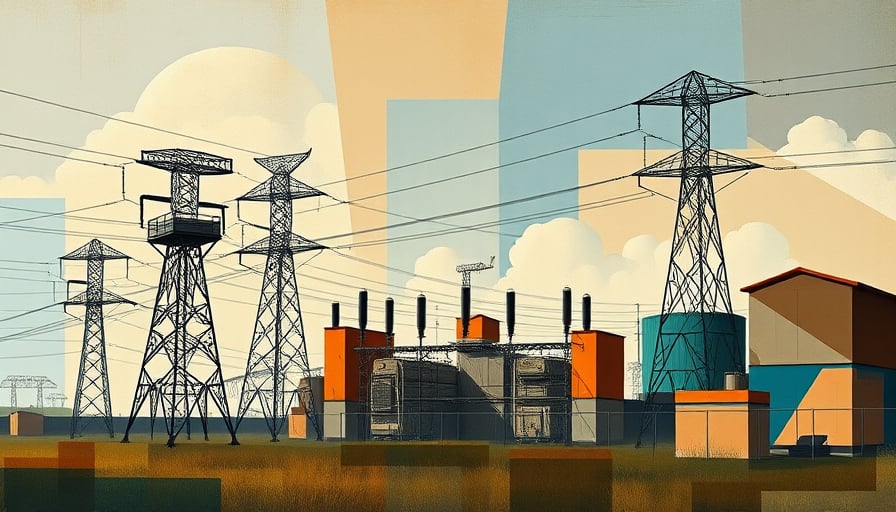
Federal Grid Co - Rosseti PJSC, a pivotal entity in Russia’s electric utilities sector, has recently come under scrutiny due to its significant role in the nation’s electricity transmission infrastructure. As a key player in the long-haul electricity transmission market, Rosseti operates the unified electricity transmission grid system of Russia, managing high voltage transmission lines that are crucial for the distribution of electricity across the country. This infrastructure serves regional distribution companies, electricity suppliers, and large industrial enterprises, underscoring Rosseti’s integral position within the Russian energy sector.
Despite its critical role, Rosseti’s financial performance and market valuation have raised questions among investors and industry analysts. As of February 19, 2026, the company’s close price stood at 0.0752 RUB, a figure that reflects a volatile market presence, with a 52-week high of 0.083 RUB on March 3, 2025, and a low of 0.0603 RUB on October 14, 2025. This volatility is indicative of the challenges faced by the utility sector, particularly in the context of fluctuating energy demands and geopolitical tensions that have a direct impact on energy markets.
Rosseti’s market capitalization, valued at 93,810,000,000 RUB, positions it as a significant entity within the Moscow Stock Exchange. However, its price-to-earnings ratio of 1.63 suggests a cautious investor sentiment, possibly reflecting concerns over the company’s future growth prospects and its ability to navigate the complexities of the energy sector. This ratio, while modest, prompts a deeper examination of Rosseti’s operational efficiency, strategic initiatives, and its capacity to adapt to the rapidly evolving energy landscape.
The company’s strategic importance cannot be overstated, given its responsibility for the operation and management of Russia’s electricity transmission grid. This role is not only critical for ensuring the stability and reliability of the country’s power supply but also for facilitating the integration of renewable energy sources into the national grid. As the global energy sector moves towards sustainability, Rosseti’s ability to innovate and adapt its infrastructure to accommodate new energy sources will be paramount.
Moreover, Rosseti’s engagement with regional distribution companies, electricity suppliers, and large industrial enterprises highlights its central role in the energy value chain. This relationship is crucial for the efficient distribution of electricity and for meeting the diverse needs of its stakeholders. However, it also places Rosseti at the heart of the challenges facing the energy sector, including the need for modernization, the integration of renewable energy, and the management of environmental impacts.
In conclusion, Federal Grid Co - Rosseti PJSC stands at a crossroads, with its future success hinging on its ability to navigate the complexities of the energy sector, adapt to the changing energy landscape, and meet the evolving needs of its stakeholders. As the company continues to play a pivotal role in Russia’s electricity transmission infrastructure, its strategic decisions and operational efficiency will be closely watched by investors, industry analysts, and policymakers alike. The coming years will undoubtedly test Rosseti’s resilience and its capacity to innovate, making it a critical case study for the future of the global energy sector.