
RWE AG: A Case Study in Aggressive Expansion and Market‑Defying Resilience
RWE AG, a German multi‑utility titan listed on Xetra, has once again proven that it can turn market uncertainty into strategic advantage. With a market capitalization of roughly €38 billion and a price‑to‑earnings ratio of 17.99, the company has surged from its 52‑week low of €28.10 to a close of €52.10 on 11 Feb 2026—more than a 85 % gain over the past year. Yet the headline‑making performance is merely the tip of an iceberg of deliberate, high‑stakes moves that are reshaping its fortunes across Europe.
1. Offshore and Onshore: The Nordseecluster A and UK Contracts
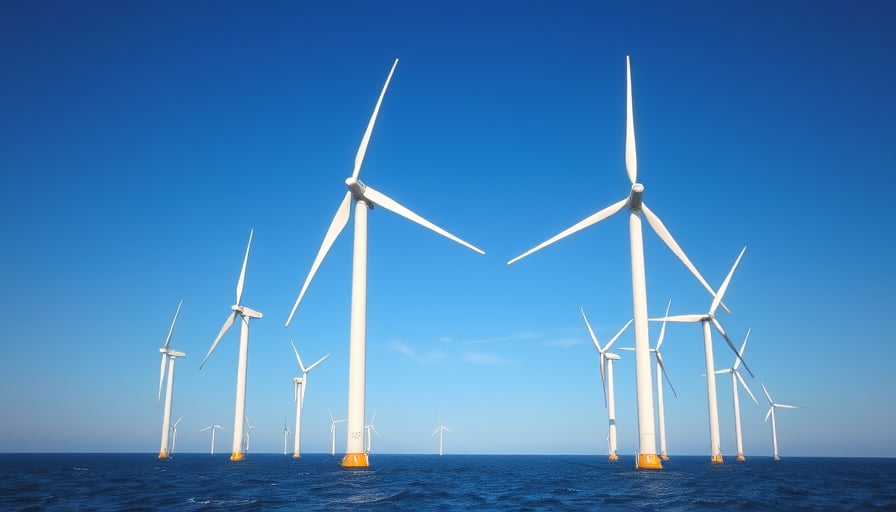
The French shipyard Chantiers de l’Atlantique has finished the two critical substations for RWE’s Nordseecluster A offshore wind farm. This milestone removes one of the last physical bottlenecks to the project’s commercial operation, signaling that RWE is ready to deliver electricity from the North Sea to the continental grid at full scale.
Simultaneously, RWE secured a contracts‑for‑difference (CfD) package worth 290 MW in the UK’s Allocation Round 7 (AR7) for both solar PV and onshore wind. The UK government’s “Pot 1” award, announced on 10 Feb 2026, confirms RWE’s ability to secure low‑cost renewable capacity in a highly competitive market. In addition, the company clinched five solar projects totalling 215 MW in the same auction, underscoring its success not only in offshore but also in land‑based renewables.
These dual victories demonstrate a coherent strategy: diversify the portfolio across multiple geographic and technology segments while leveraging the UK’s forward‑looking policy environment. The result is a pipeline of plan‑able revenue streams that insulate the company from commodity price swings.
2. The Share Buyback: Confidence in the Future
On 10 Feb 2026, RWE announced a capital‑market move—a share‑buyback program—communicated via an EQS release. The decision reflects the board’s conviction that the current share price undervalues the company’s long‑term prospects. Share buybacks are a powerful tool for returning capital to shareholders and, more importantly, signalling management’s confidence in future cash flows. The announcement is timely, following the 10‑year high noted on 12 Feb 2026, when the stock surged to a peak driven by the Amazon partnership and UK project wins.
3. Market Performance and Investor Returns
A DAX 40 analysis on 11 Feb 2026 revealed that investors who entered RWE five years earlier could have amassed significant returns. While the exact figure is truncated in the source, the implication is clear: RWE’s disciplined growth and risk mitigation have outpaced many peers, delivering robust shareholder value over the medium term.
4. Strategic Partnerships and Grid Expansion
The company’s CEO, Markus Krebber, highlighted the importance of grid infrastructure in a 10 Feb 2026 interview. He warned that neglecting network upgrades would become a bottleneck, especially as offshore projects mature. To address this, RWE entered into collaborations with Masdar, Zenobe, Enlight, and others, offering grid‑scale battery energy storage systems (BESS) across Germany. These partnerships are designed to smooth intermittency, enhance grid resilience, and create new revenue avenues.
5. The Big Picture: A 10‑Year Outlook
RWE’s recent achievements—Nordseecluster A substations, UK CfD wins, share buybacks, and BESS partnerships—align with its broader vision of a diversified, renewable‑heavy generation portfolio. The company’s 10‑year high on 12 Feb 2026 underscores that the market is already pricing in this trajectory. As the German and European regulatory landscapes evolve, RWE’s proactive stance on network expansion and cross‑border trading will likely cement its position as a leading energy trader and generator.
In conclusion, RWE AG is not merely reacting to market forces; it is actively sculpting the future of energy through aggressive expansion, strategic financing, and an unwavering commitment to renewable integration. The company’s recent moves demonstrate that, even in an era of volatility, a well‑executed, diversified strategy can deliver sustainable growth and shareholder returns.