
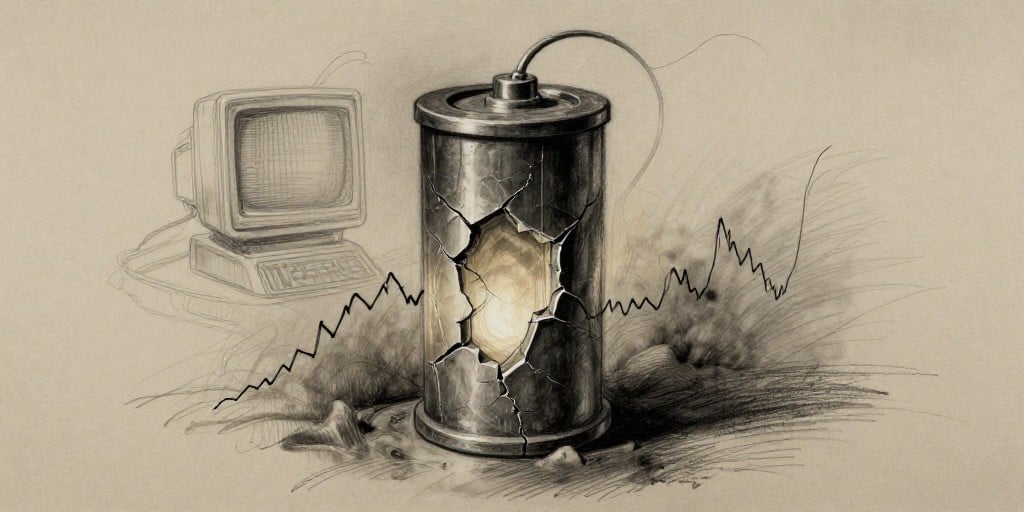
Samsung SDI Co., Ltd., a prominent player in the Information Technology sector, has recently been under scrutiny due to its financial performance and market positioning. As of July 15, 2026, the company’s close price stood at 434,500 KRW, a significant decline from its 52-week high of 723,000 KRW on April 29, 2026. This downturn is further highlighted by its 52-week low of 180,100 KRW, recorded on July 22, 2025. The company’s market capitalization is currently valued at 35,360,000,000,000 KRW, reflecting its substantial presence in the industry despite recent financial challenges.
Samsung SDI, headquartered in South Korea and listed on the Korea Exchange Stock Market, is renowned for its specialization in Lithium Ion Battery (LIB) technology. The company’s portfolio extends beyond LIBs, encompassing the production of cathode ray tubes (CRTs) for television and computer monitor screens, liquid crystal display (LCD) components, and rechargeable batteries for a variety of devices including cellular phones, personal digital assistants (PDAs), energy storage systems, and solar panels. This diverse product range underscores Samsung SDI’s commitment to innovation and its pivotal role in the electronic equipment, instruments, and components industry.
However, the company’s financial metrics paint a concerning picture. With a Price Earnings (P/E) ratio of -58.52, Samsung SDI’s valuation raises questions about its profitability and future growth prospects. This negative P/E ratio suggests that the company is currently not generating profits, which could be attributed to various factors including market competition, technological advancements, and shifts in consumer demand.
The company’s strategic focus on LIB technology is both a strength and a potential vulnerability. As the global demand for electric vehicles and renewable energy solutions continues to rise, Samsung SDI’s expertise in LIBs positions it well to capitalize on these trends. However, the competitive landscape is fierce, with numerous players vying for market share in the rapidly evolving battery technology sector. Samsung SDI must navigate these challenges while continuing to innovate and maintain its technological edge.
Moreover, the company’s involvement in CRT production, an industry facing obsolescence due to the advent of more advanced display technologies, poses additional risks. As the market shifts towards OLED and other cutting-edge display solutions, Samsung SDI’s reliance on CRTs could hinder its ability to adapt and thrive in the long term.
In conclusion, while Samsung SDI Co., Ltd. remains a significant entity in the Information Technology sector, its current financial performance and strategic challenges necessitate a critical evaluation of its future trajectory. The company must leverage its strengths in LIB technology while addressing the vulnerabilities associated with its broader product portfolio. As stakeholders and industry observers closely monitor Samsung SDI’s next moves, the company’s ability to innovate and adapt will be crucial in determining its success in the ever-evolving technological landscape. For more detailed information on Samsung SDI’s products and services, interested parties can visit their official website at www.samsungsdi.co.kr .