
Shell PLC’s Recent Strategic Moves and Market Implications
Shell PLC, the London‑listed energy conglomerate, has been active on two fronts in mid‑February 2026. On the financial side, the company has continued its shareholder‑return strategy by purchasing and canceling its own shares. On the operational front, the U.S. Treasury’s latest easing of sanctions has opened a long‑awaited chapter for Shell’s activities in Venezuela, where the company has secured new licenses to participate in major gas projects such as the Dragon field.
Share‑Buyback: A Commitment to Shareholder Value
On 13 February 2026, Shell announced the acquisition of a significant block of its own shares for cancellation, as reported by both Globenewswire.com and Financial Post. This transaction is part of a broader, previously announced share‑repurchase program that seeks to enhance earnings per share and return excess capital to investors. The move follows a prior buyback disclosed on 16 February, when the company once again bought back and retired shares, underscoring its ongoing commitment to shareholder value.
The buyback activity dovetails with the company’s financial profile: a 52‑week high of 2,942 GBX and a low of 2,269.92 GBX, with the close on 12 February standing at 2,872.5 GBX. The price‑earnings ratio of 13.12 suggests that the market views Shell as reasonably valued relative to its earnings potential. By reducing the share count, the company aims to lift earnings per share, potentially supporting a higher dividend or future capital appreciation.
Venezuelan Licenses: A Gateway to New Projects
In a separate but highly consequential development, the United States Department of the Treasury has issued general licenses that permit Shell and BP to resume operations in Venezuela. Reuters and Stabroek News reported that the licenses allow global energy companies to engage in oil‑ and gas‑related projects within the OPEC member state. This policy shift is a direct result of the U.S. easing sanctions on Venezuela’s energy sector—a move designed to revive the nation’s oil‑dependent economy.
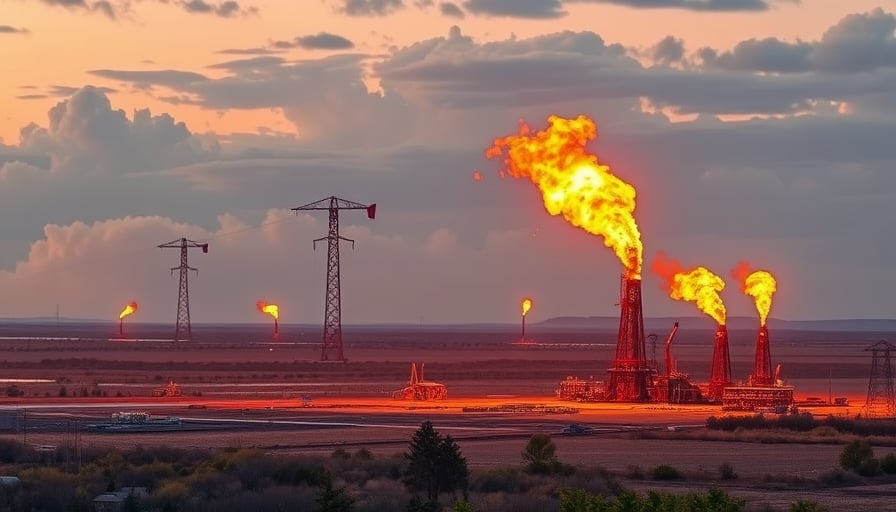
The practical impact of these licenses is already unfolding. Shell’s clearance to operate in Venezuela opens the door to the Dragon field, a long‑delayed natural‑gas project that has been a focal point of the country’s energy strategy. The field’s development promises to contribute significant gas volumes to the region, potentially bolstering Shell’s downstream and LNG businesses.
Moreover, the licenses signal a broader acceptance of Shell’s presence in a complex geopolitical environment. By securing the necessary U.S. approvals, the company mitigates regulatory risk and positions itself to capitalize on emerging opportunities in a market that has been largely inaccessible since the early 2010s.
Market Reaction and Forward Outlook
The combination of share repurchase activity and new Venezuelan licences has already been reflected in the market’s perception of Shell PLC. Analysts are noting that the share‑buyback may act as a buffer against short‑term volatility, while the Venezuelan licences could provide a long‑term revenue stream, especially if the Dragon field reaches production targets.
Investors are also watching closely how Shell’s financials evolve in response to these developments. The company’s price‑to‑earnings ratio of 13.12 and a stable dividend policy suggest that it remains a defensible investment in an energy cycle that is gradually shifting toward cleaner fuels and diversified portfolios. As Shell continues to navigate the complexities of global energy markets, its strategic decisions—both financial and operational—will likely play a pivotal role in shaping its trajectory over the next few years.