
SSAB AB: Navigating Regulatory Scrutiny and Expanding Maritime Order Book
The Swedish steelmaker SSAB AB has recently found itself at the crossroads of regulatory scrutiny in its domestic operations while simultaneously securing a significant expansion of its order book in the maritime sector. Two distinct developments illustrate the company’s dual focus on maintaining compliance and capitalising on the growing demand for electrified vessels.
Regulatory Pushback in Luleå
On 2 September 2026, Dagens Arbete reported that SSAB had rejected the County Administrative Board’s request to investigate 34 health‑related incidents that occurred during construction of a new steel plant in Luleå. The incidents, which prompted concerns about worker safety and plant hygiene, were documented in a series of “sjukdomsfallen” (illness cases). SSAB’s decision to decline further testing was grounded in a claim that the existing health‑and‑safety measures were adequate and that additional investigations would not yield actionable insights.
This move places the company under a microscope of regulatory authorities, who are keen to ensure that industrial operations comply with Sweden’s stringent occupational health standards. While SSAB maintains that the plant meets all safety regulations, the incident underscores the heightened scrutiny that large-scale steel projects can attract—particularly when workforce health is involved.
Strengthening the Maritime Order Book
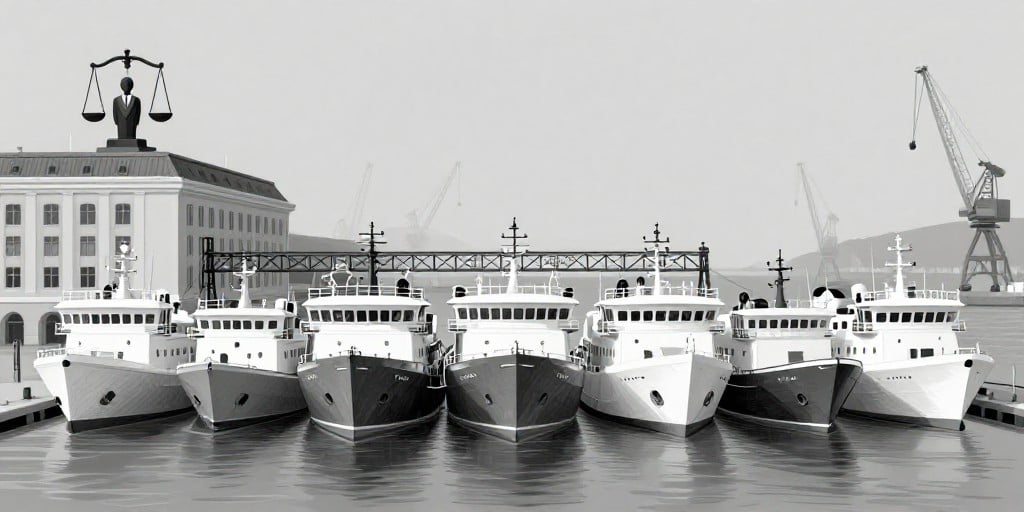
In a contrasting vein, the same day—2 September 2026—SSAB announced that it had expanded a contract with AQS Rederi. The Norwegian shipping group, which had already ordered two electric service vessels from the Salthammer shipyard, now added four more to its order, bringing the total to six. These new vessels will be constructed using SSAB’s Tibnor line of steel, a segment of the company that focuses on high‑performance, long‑life alloys suited for marine environments.
The expansion aligns with AQS Rederi’s ambition to transition to a fully electric fleet, a strategy that dovetails with global decarbonisation goals. SSAB’s involvement not only secures a steady stream of orders but also reinforces the brand’s reputation as a supplier of advanced, durable materials for critical infrastructure.
Market Context and Financial Snapshot
With a market capitalization of 100 760 000 000 SEK and a recent closing price of 100.85 SEK, SSAB sits comfortably within the upper echelon of Swedish industrial stocks. The company’s 52‑week high (108.8 SEK) and low (53.74 SEK) demonstrate a significant rally in recent months, likely reflecting investor confidence in the firm’s diversified product portfolio and its strategic positioning in high‑value sectors such as automotive, construction, and maritime.
SSAB’s price‑earnings ratio of 18.04 suggests that the market values the company’s earnings potential, though some analysts note that the “potential” may not fully justify the perceived risks, particularly in light of recent regulatory challenges. Nevertheless, the company’s multi‑segment approach—encompassing special steels, construction, and marine products—offers a buffer against sector‑specific downturns.
Looking Ahead
The juxtaposition of regulatory pushback in Luleå and the acquisition of a sizable maritime order book illustrates the complex landscape SSAB must navigate. On one hand, maintaining stringent safety and health protocols is essential for sustaining operational legitimacy and avoiding costly penalties. On the other, expanding into high‑growth markets such as electrified marine vessels can drive long‑term revenue and solidify SSAB’s position as a key supplier of future‑ready steel.
Investors and stakeholders will likely monitor how SSAB balances these priorities, particularly as the company continues to invest in research and development across its five business segments. The firm’s ability to deliver on both fronts could determine its trajectory in a rapidly evolving materials industry.