
Stabilus SE, a German company headquartered in Koblenz, has recently reported a modest decline in third-quarter revenue. Despite this, the company has managed to narrow its cost base, which has contributed to an improvement in operating margins. As a manufacturer specializing in gas springs and motion-control solutions, Stabilus SE serves a diverse range of industries, including automotive, furniture, medical technology, and other industrial applications. The company’s product offerings include non-locking and locking gas springs, hydraulic vibration dampers, automatic drive systems, swivel chair gas springs, and various spare parts.
Stabilus SE is listed on the Xetra stock exchange and has a market capitalization of 422,450,000 EUR. The company’s financial metrics include a close price of 15.74 EUR as of August 12, 2026, with a 52-week high of 25.55 EUR on September 22, 2025, and a 52-week low of 13.18 EUR on July 23, 2026. The price-to-earnings ratio stands at 6.88.
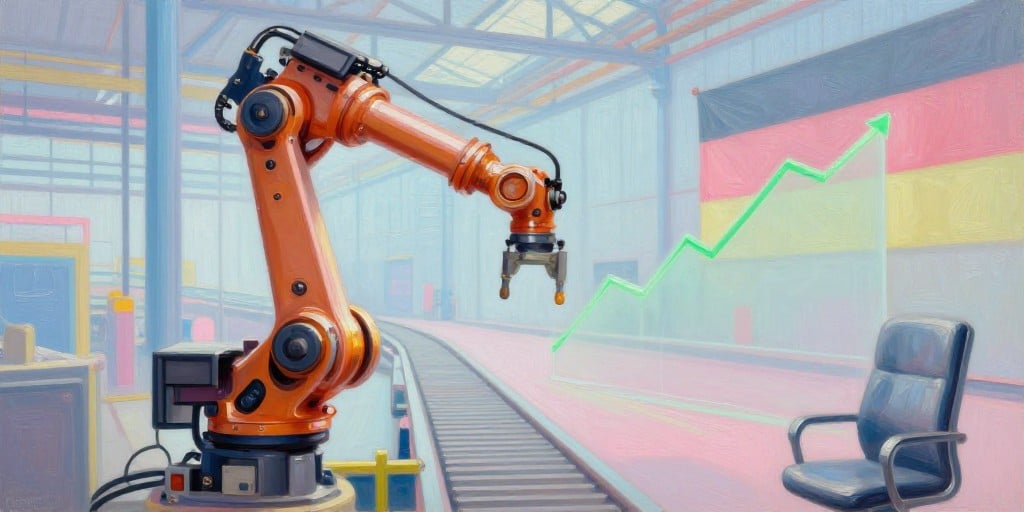
In its recent corporate update, Stabilus SE emphasized its ongoing efforts to reduce debt and strengthen liquidity. The company noted a solid performance in its industrial segment, which has been a key focus area. Additionally, management highlighted progress in its humanoid-robotics initiative, signaling a strategic push to diversify beyond the automotive sector. This initiative is part of a broader effort to expand the company’s technological capabilities and market reach.
However, the company has faced some challenges in its leadership structure. Chief Financial Officer Andreas Jaeger resigned effective immediately, a development that has introduced a degree of uncertainty among investors. Despite this leadership change, Stabilus SE remains committed to consolidating its financial position and advancing its technology investments. The company continues to serve its global customer base and can be accessed online through its website at www.stabilus.com .
Overall, while Stabilus SE navigates through these changes, its focus on cost management, debt reduction, and technological innovation positions it to address current challenges and capitalize on future opportunities.