In the ever-evolving landscape of cryptocurrency, Stacks (STX) has emerged as a noteworthy contender, albeit with its share of volatility and challenges. As of October 15, 2026, Stacks closed at a price of $0.388772, a figure that, while modest, reflects the broader narrative of resilience and potential within the crypto market. This price point, juxtaposed against its 52-week high of $0.47361 on October 26, 2025, and a low of $0.117733 on August 17, 2026, paints a picture of a currency that has weathered significant fluctuations. Such volatility is not uncommon in the crypto realm, yet it underscores the critical need for investors to approach with caution and informed strategy.
The market capitalization of Stacks stands at approximately $705,466,920.904, a testament to its established presence in the cryptocurrency ecosystem. This valuation, while substantial, invites scrutiny regarding the asset’s long-term viability and growth prospects. In a market characterized by rapid innovation and fierce competition, Stacks must navigate the challenges of differentiation and value proposition to maintain and enhance its market position.
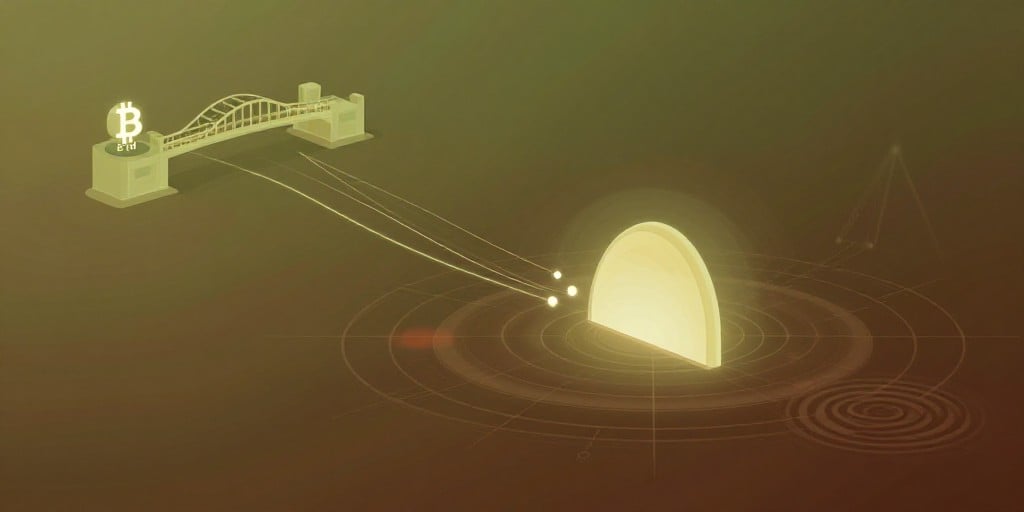
The journey of Stacks, from its inception to its current standing, is emblematic of the broader crypto narrative—a tale of innovation, disruption, and the relentless pursuit of decentralization. Stacks, with its unique proposition of enabling smart contracts and decentralized applications on the Bitcoin blockchain, has carved out a niche that leverages the security and ubiquity of Bitcoin while offering the flexibility and functionality of Ethereum-like smart contracts. This dual advantage positions Stacks as a bridge between two of the most influential cryptocurrencies, yet it also places the onus on the project to continually evolve and adapt to the shifting dynamics of the crypto landscape.
Critics and proponents alike will point to the recent price movements as indicative of the broader market sentiment towards Stacks. The decline from its 52-week high to its current price level raises questions about investor confidence and the project’s ability to sustain growth amidst a crowded and competitive field. However, it is essential to contextualize these fluctuations within the cyclical nature of the cryptocurrency market, where periods of decline are often followed by recovery and growth, contingent upon innovation, adoption, and strategic partnerships.
The future of Stacks, as with any cryptocurrency, hinges on its ability to innovate, adapt, and deliver tangible value to its users and investors. The project’s focus on scalability, interoperability, and user experience will be critical in attracting a broader user base and fostering a vibrant ecosystem of developers and applications. Moreover, the strategic alliances and partnerships that Stacks forges will play a pivotal role in its ability to navigate the complexities of the crypto market and emerge as a leader in the decentralized finance (DeFi) and blockchain space.
In conclusion, Stacks stands at a crossroads, with its future trajectory dependent on a myriad of factors, including market dynamics, technological advancements, and strategic decision-making. While the challenges are significant, the opportunities for growth and innovation are equally compelling. For investors and enthusiasts alike, Stacks represents not just a cryptocurrency but a vision of a more decentralized, secure, and efficient digital economy. As the project continues to evolve, it will undoubtedly face scrutiny and skepticism, yet it is precisely these challenges that will test its resilience and potential to redefine the boundaries of what is possible in the world of cryptocurrency.