
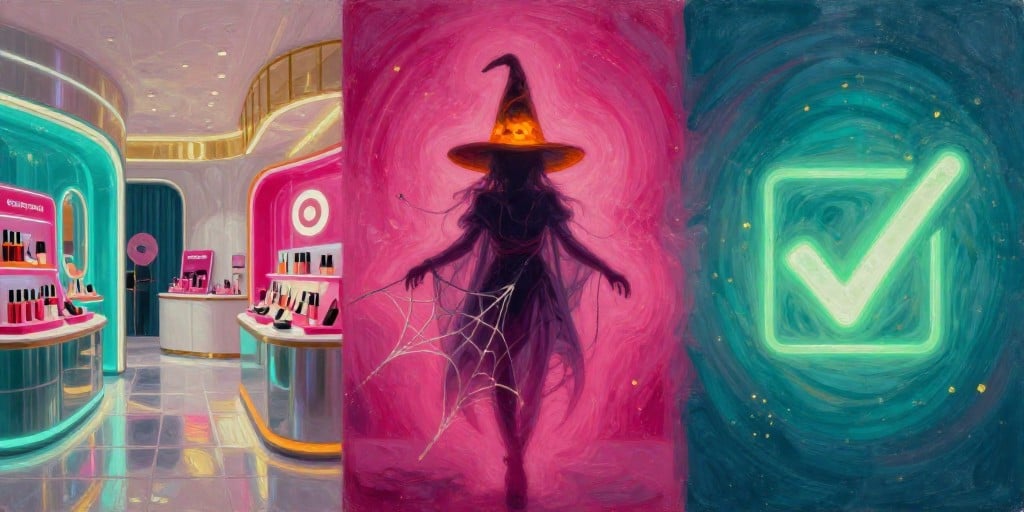
Target Corp’s Strategic Pivot Amid Controversy and Consumer Momentum
Target Corp (TGT) has re‑energised its brand portfolio with the launch of Target Beauty Studio, a new destination for premium beauty products, while simultaneously navigating a high‑profile backlash over a Halloween costume. The company’s market reaction underscores the delicate balance between aggressive product expansion and brand stewardship in an era of heightened consumer scrutiny.
Beauty Studio – A New Growth Lever
On 26 Aug 2026, Target announced that the Beauty Studio will debut on 10 Sept across more than 600 physical stores and online via Target.com. The launch will showcase over 90 prestige beauty brands, positioning the retailer as a one‑stop shop for contemporary beauty trends. According to the company’s press release, the studio will offer experiential merchandising, exclusive product launches, and personalized styling services. The move is designed to capture the rapidly expanding high‑margin beauty segment, a strategic counter‑weight to the broader consumer staples focus that has historically defined Target’s retail mix.
Financial markets reacted positively to the announcement. Shares rose to $164—up from the closing level of $163.47 on 24 Aug—reflecting investor confidence that the new vertical will drive incremental foot traffic and e‑commerce sales. With a market cap of $77.18 billion and a price‑to‑earnings ratio of 17.52, the stock’s valuation is comfortably in line with peer expectations for a retailer with a diversified product mix and a robust omnichannel footprint.
Halloween Costumes – A Brand Risk and Opportunity
Contrastingly, Target’s decision to pull a kids’ clown Halloween costume earlier in the week generated a swift sell‑off. The costume, perceived as culturally insensitive, prompted widespread media coverage and social‑media backlash. Reuters reported a 5 % decline in shares on 25 Aug, while other outlets such as Bloomberg and NDTV highlighted the magnitude of the reputational risk. Target’s swift public apology and recall were intended to mitigate further damage, but the episode exposed vulnerabilities in the company’s product‑sourcing oversight and crisis‑management protocols.
Despite this setback, the backlash also exposed a broader consumer shift toward value‑driven retailing. In the same period, Target’s results surpassed Walmart’s by a widening margin, with shares doubling since November, underscoring the retailer’s ability to sustain momentum even amid adversity. Market analysts suggest that Target’s diversified product offering, coupled with its strong credit‑card program, provides a resilient foundation that can absorb short‑term volatility.
Forward‑Looking Perspective
Target Corp’s dual trajectory—launching a high‑margin beauty studio while addressing a high‑profile PR crisis—illustrates its strategic intent to both expand and protect its brand equity. The beauty initiative is a forward‑leaning bet on consumer demand for premium, experiential retail, whereas the Halloween incident reinforces the necessity of rigorous supply‑chain oversight and culturally attuned marketing.
As the retailer continues to navigate these dynamics, investors should monitor:
- Beauty Studio Performance: Revenue growth, customer adoption, and the ability to attract prestige brand partners will be key metrics.
- Consumer Sentiment: Post‑crisis brand perception studies and social‑media sentiment will gauge the long‑term impact of the Halloween controversy.
- E‑Commerce Synergy: Integration of the studio’s digital experience with Target’s existing online platform could unlock cross‑selling opportunities.
- Credit Card Portfolio: The proprietary branded credit card program remains a significant revenue driver; its uptake could offset any temporary dip in foot traffic.
In sum, Target Corp’s recent activities demonstrate a calculated risk profile: leveraging new growth avenues while managing brand integrity in a complex retail landscape. The company’s market‑capitalized scale, robust omni‑channel strategy, and agile response mechanisms position it well to capitalize on consumer trends, even as it navigates the inevitable challenges that accompany rapid expansion.