
Target Corp: A Strategic Pivot Amid Retail Headwinds
Target Corporation, a staple of the U.S. consumer‑staples sector, has recently announced a bold expansion into the experiential retail arena with the opening of Target SoHo in New York City. This move underscores the company’s ongoing effort to differentiate itself from competitors such as Walmart and to counteract the decline in same‑store sales that has plagued it for three consecutive fiscal years.
1. The Target SoHo Initiative
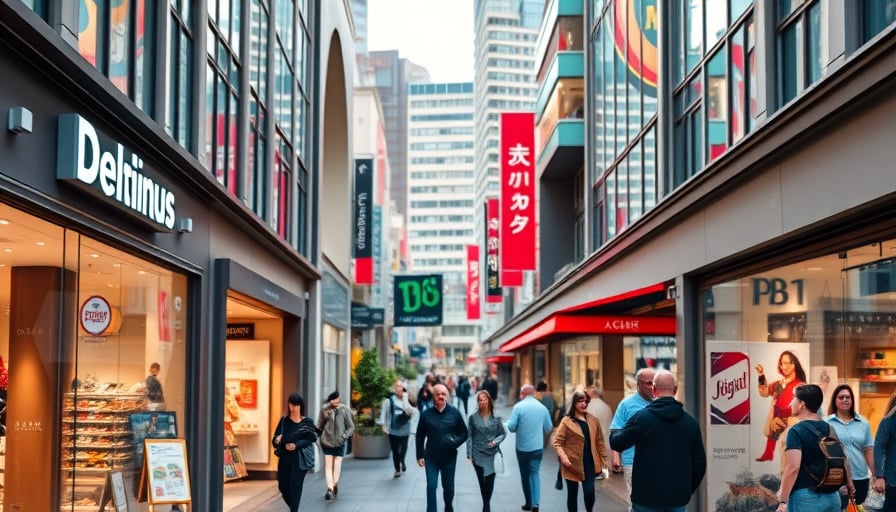
On 9 December 2025, Target opened a one‑of‑a‑kind concept store at 600 Broadway, a location that blends everyday shopping with design, play, and discovery. By positioning itself in the heart of Soho, Target seeks to capitalize on the city’s high foot traffic and affluent consumer base. This experiment represents a departure from Target’s traditional broadline format, aiming to create an immersive, shoppable experience that may attract a new demographic while reinforcing its brand identity as a provider of “cheap chic” products.
2. Financial Context
- Market Capitalization: $41.7 billion.
- Price‑to‑Earnings Ratio: 11.17, comfortably below the industry average and indicative of a potentially undervalued share price.
- Recent Share Performance: Target shares rose 0.94 % on 8 December 2025, outperforming Walmart’s 1.35 % decline at the same time.
- Stock Trend: The stock has lost a third of its value in 2025 and has nearly halved over the past five years, largely due to declining same‑store sales and operational challenges.
3. Analyst Outlook
RBC recently reduced its valuation of Target following in‑line earnings results and a revised financial model, suggesting that the market may still view the company’s prospects with caution. Meanwhile, The Motley Fool highlights the risk that Target’s declining market share, merchandising missteps, and data‑security incidents could continue to erode investor confidence.
4. Competitive Landscape
While Walmart’s price‑to‑sales ratio sits at 1.3 and its price‑to‑earnings ratio hovers around 40, Target’s ratios remain more modest, offering a more attractive valuation to value‑seeking investors. Yet Walmart’s all‑time high stock price signals strong investor sentiment, potentially diverting capital away from Target.
5. Strategic Imperatives for 2026
- Reinforce Merchandising Discipline: Target must regain footing in product assortment to stop the decline in same‑store sales.
- Leverage Experiential Retail: The success of Target SoHo could be a template for future concept stores that blend retail and lifestyle, providing a new revenue stream.
- Enhance Data Security: Protecting shopper data remains a critical issue; any breach could further damage trust.
- Maintain Dividend Consistency: As a “Dividend King,” preserving dividend payouts will be essential to retain income‑focused shareholders.
6. Conclusion
Target’s latest foray into experiential retail signals an ambitious attempt to reshape its brand and regain competitive edge. However, the company’s recent financial underperformance, analyst downgrades, and intense competition from Walmart illustrate that success will hinge on disciplined merchandising, robust data security, and the ability to translate innovative concepts into sustained revenue growth. Investors who weigh these factors will determine whether Target can reverse its downward trajectory or remain a cautionary tale in the consumer‑staples arena.