
Tesla Inc.: Market‑Worn Resilience Amid Mixed Earnings and Strategic Speculation
Tesla Inc. (NASDAQ: TSLA) opened the U.S. market on July 23, 2026 with a sharp decline that echoed the broader Nasdaq slide of over 400 points. The electric‑vehicle maker’s share price fell to $374.01 on July 21, 2026, a 20‑percentage‑point drop from the 52‑week high of $498.83 recorded on December 21, 2025. Analysts point to a combination of earnings miss, margin concerns, and heightened geopolitical risk as the drivers of the downturn.
Q2 Earnings: Revenue Growth, EPS Miss
Tesla reported stronger deliveries in the second quarter, lifting revenue above market expectations. Nonetheless, the diluted earnings per share of $0.33 fell short of the consensus estimate of $0.50. The shortfall has prompted several research houses to downgrade the stock and to lower their price targets. JP Morgan reduced its target to $485, citing margin pressure, while Cantor Fitzgerald cut its outlook to the same level. The company’s price‑earnings ratio sits at 358.91, underscoring the premium investors have historically placed on Tesla’s growth prospects.
Margin Concerns and Capital Expenditure
Capital expenditure plans, particularly for autonomous vehicle and robotics‑axiology initiatives, have raised questions about short‑term profitability. JP Morgan’s research highlighted that rising costs are eroding the company’s gross margins, a trend that may persist until the company’s manufacturing efficiencies fully materialise. Investors remain wary of the potential impact on free cash flow, a metric that has historically been robust for Tesla but is now under scrutiny in light of increased AI and capex spending.
Speculation of a Merger with SpaceX
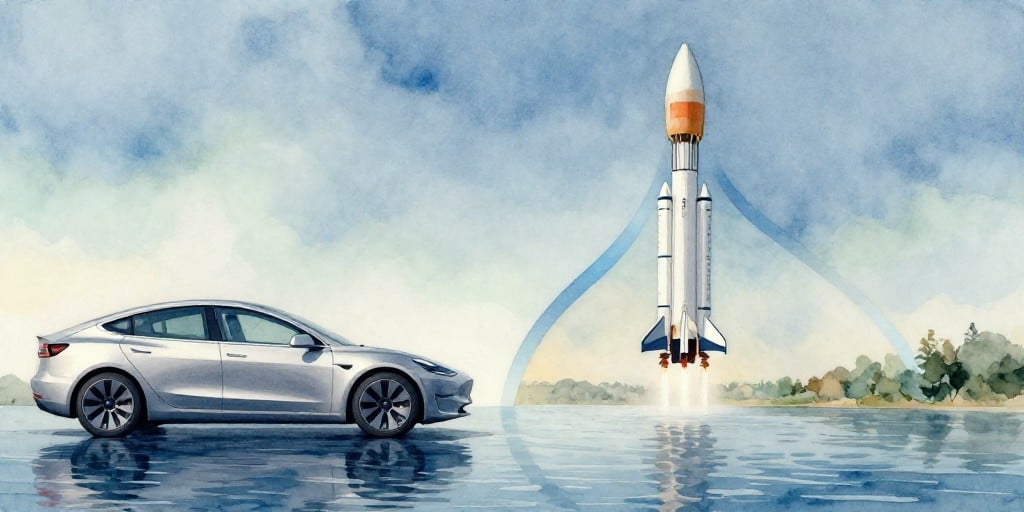
Amid the earnings disappointment, rumors have resurfaced that Tesla could merge with its space‑flight subsidiary, SpaceX. A piece on Yahoo Finance suggested that a historic merger could provide a new revenue stream and broaden Tesla’s technological footprint. While Elon Musk has stated that he is “not ruling out” a consolidation of the two entities, the market has reacted cautiously, with the Nasdaq and S&P 500 futures dipping modestly ahead of the earnings release.
Investor Sentiment and ARK Invest’s Position
Cathie Wood’s ARK Invest has increased its stake in Tesla, reinforcing confidence in the company’s long‑term vision, especially regarding the robotaxi sector. This move, reported by Coinfomania, provided a counterbalance to the broader sell‑off but did not offset the immediate negative sentiment generated by the earnings miss and margin warnings.
Geopolitical and Oil Price Pressures
The decline in Tesla’s share price coincided with a rise in Brent crude to near $97 per barrel, driven by Middle‑East tensions and Houthi attacks on shipping lanes. Higher oil prices exert additional pressure on the consumer discretionary sector, affecting discretionary spending on electric vehicles. Global markets mirrored this sentiment; the Dow Jones opened roughly 660 points lower, and the AEX in the Netherlands traded at a slight loss amid rising oil costs.
Market Outlook
Tesla’s market capitalisation remains a staggering $1.388 trillion, placing it among the most valuable U.S. companies. Despite the recent turbulence, the company’s battery‑storage division, solar‑roof tiles, and its proprietary sales network continue to diversify revenue streams. Analysts expect the company to navigate current headwinds through operational efficiencies and potential strategic realignments, such as the contemplated SpaceX integration.
In summary, Tesla Inc. is at a crossroads: it must reconcile robust delivery growth with earnings that have slipped below expectations, while managing margin pressures and capital‑intensive projects. The market’s current reaction reflects uncertainty over both short‑term profitability and long‑term strategic direction. Investors will likely monitor upcoming quarterly guidance, margin recovery strategies, and any concrete moves toward the rumored merger with SpaceX to gauge the company’s trajectory.