
Market Reaction to TKMS AG & Co KGaA’s Recent Strategic Announcements
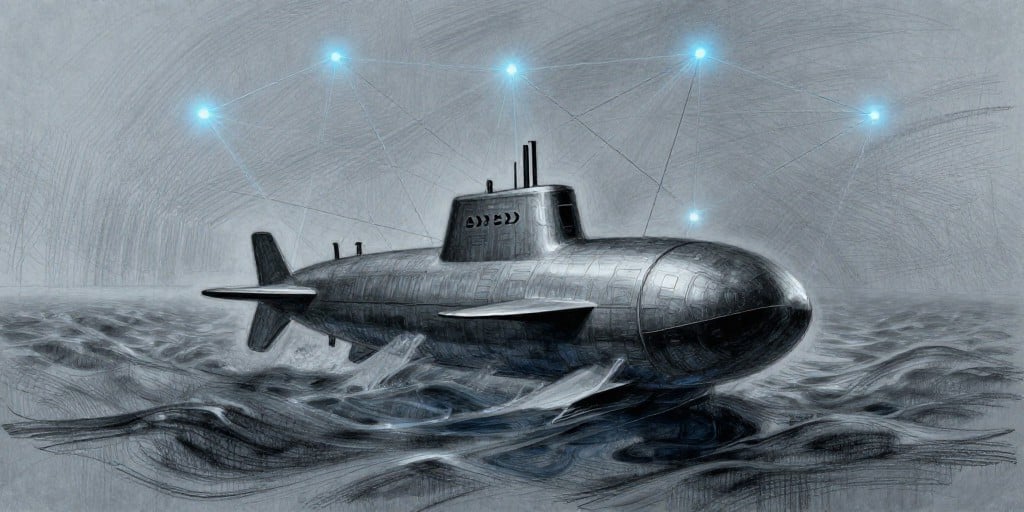
The German naval‑equipment manufacturer TKMS AG & Co KGaA has announced a series of high‑profile initiatives that are poised to reshape its product portfolio and market position. On 10 August 2026, the company revealed that the planning phase for a new class of submarines—identified as the 212 CD programme—has commenced in cooperation with partners in Germany, Norway, Canada, and other international navies. Simultaneously, the company disclosed the initiation of a broad submarine‑planning programme, signalling a shift toward larger, more sophisticated platforms.
212 CD Submarine Programme
The 212 CD (Compact Design) project is a joint effort that seeks to deliver a next‑generation attack submarine featuring advanced propulsion, stealth, and combat systems. By partnering with naval authorities in Norway and Canada, TKMS is positioning itself as a key supplier for NATO‑aligned forces that are looking to modernize their under‑sea fleets. The programme’s launch is expected to create new demand for the company’s core submarine‑building expertise while also leveraging its existing Atlas Electronics segment, which supplies integrated sonar, weapon, and communication systems. Analysts note that the 212 CD initiative aligns with broader European defence policy, which emphasizes interoperable, low‑observable platforms capable of operating in contested environments.
Expansion of Submarine Planning
The announcement that TKMS has entered a “submarine‑planning phase” indicates a strategic move toward designing future submarines rather than merely executing orders. This shift toward in‑house design is expected to give the company greater control over technology integration, cost management, and delivery timelines. It also positions TKMS as a potential design partner for other navies, thereby expanding its footprint beyond the current German and Brazilian markets.
Broader Strategic Context
The company’s recent activities are discussed in a series of market commentary pieces, including a feature on “Turnaround, Billion‑Dollar Deals, AI and Drone Potential” that highlights how TKMS is among a cohort of European defence firms navigating a period of accelerated investment. The article underscores that TKMS’s moves—particularly its entry into a new submarine class—are likely to drive valuation growth and attract strategic investors seeking exposure to high‑margin defence contracts.
Financial Implications
TKMS’s market value—currently around 5.6 billion EUR—has shown resilience amid volatile commodity and geopolitical cycles. The company’s price‑to‑earnings ratio of 65.62 reflects expectations of future profitability, which are now buttressed by the projected revenue streams from the 212 CD programme and associated maintenance, upgrade, and support contracts. The initiation of these programmes could also enhance TKMS’s cash‑flow profile, given the long‑lead times typical of naval procurement cycles.
Conclusion
The convergence of a new submarine class, a broadened design focus, and the backing of a strategic defence environment positions TKMS AG & Co KGaA as a dynamic player in the global naval‑equipment market. Investors and industry observers will likely monitor the company’s progress closely, as the successful execution of these initiatives could translate into significant market share gains and a strengthened competitive edge against rivals such as Thyssenkrupp Marine Systems and other European integrators.