TotalEnergies: A Company Straddling Contradictions
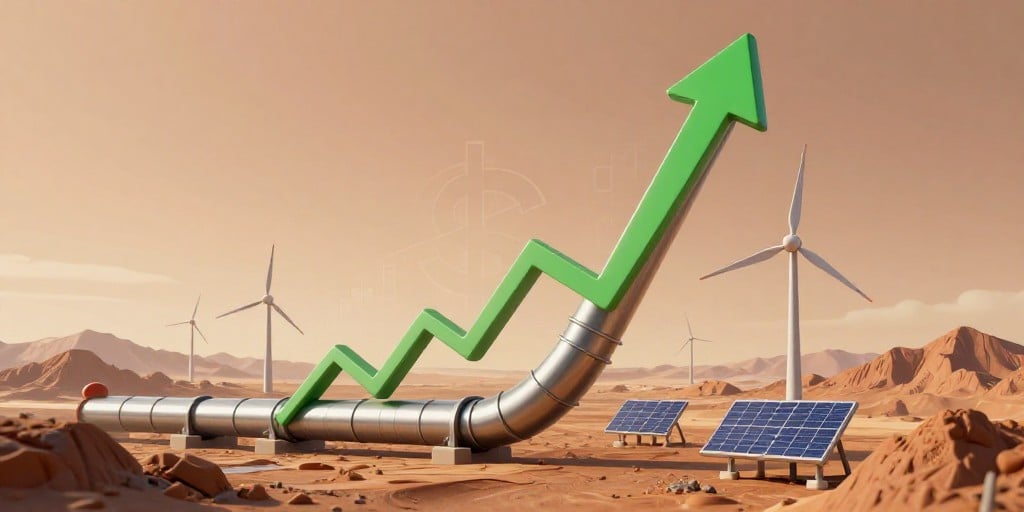
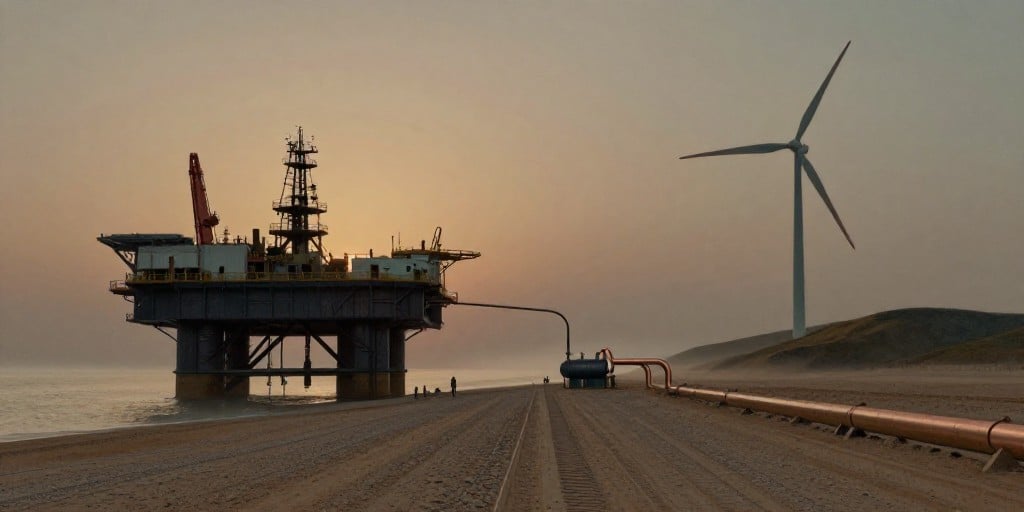
TotalEnergies SE, the Paris‑based oil and gas behemoth, has once again found itself at the center of a storm of announcements that, together, paint a picture of a company caught between ambition and the harsh realities of the energy transition. While the firm projects an optimistic outlook on the future of global energy, its recent actions expose a disconcerting reliance on legacy assets and a cautious, sometimes contradictory, stance toward sustainability.
Share Repurchase and the Illusion of Confidence
On 3 November 2026, TotalEnergies disclosed a new tranche of transactions involving its own shares. The move, sanctioned by shareholders on 29 May, is framed as a defensive strategy to bolster market confidence. Yet, in a period where investors are increasingly demanding tangible steps toward decarbonisation, a share buy‑back can be seen as a short‑term tactic to inflate the stock price—at the expense of long‑term capital allocation to renewables.
Annual Report: A Theoretical Blueprint
The company’s Energy Outlook 2026—published on 2 November—offers an elaborate scenario analysis of the global energy system’s evolution. While the report positions TotalEnergies as a “contributor to the public debate on the energy transition,” it also acknowledges that a below‑2 °C future remains “currently out of reach amid geopolitical rivalries.” The self‑serving narrative of being “ahead of the curve” is undermined by the admission that the firm still depends heavily on oil and gas production. This dichotomy is stark: a firm that claims to be a leader in the transition while simultaneously preparing for a future where global oil demand peaks only between 2035 and 2040.
Methane Reduction: From Promises to Partnerships
TotalEnergies has entered three new agreements aimed at cutting methane emissions by 65 %. One of the most publicized deals involves collaboration with Angola’s Sonangol, targeting methane reduction in oil and gas operations. While this partnership is a step in the right direction, it remains a piecemeal solution against the backdrop of the firm’s continued investment in fossil fuels. The company’s strategy—pushing for efficiency gains and cost savings—suggests that environmental stewardship is being leveraged primarily as a commercial tool rather than a genuine commitment.
Renewables Expansion in the United States
In the United States, TotalEnergies is reportedly ramping up its renewable energy projects, a move that aligns with global trends toward cleaner energy. The company’s CEO, Patrick Pouy, has publicly emphasized the “future of the renewable energy sector” and the opportunities it presents. Yet, without a clear, quantitative roadmap detailing how these investments will offset the firm’s fossil‑fuel activities, the initiative risks being perceived as a PR exercise rather than substantive progress.
The Gas Winter Warning
TotalEnergies’ chief has warned that Germany’s gas storage facilities are only 61 % full, signalling the potential for a “price hammer” if supply cannot meet demand. While the company asserts that Europe will not experience a gas shortage this winter, it simultaneously predicts that consumers will pay higher prices to secure supply. This stance reveals an uncomfortable reliance on fossil fuel markets to sustain profitability in the face of looming climatic pressures.
Strategic Acquisitions and Divestitures
In a bid to solidify its position in the global gas market, TotalEnergies announced the acquisition of a 30 % operating interest in two major Malaysian gas fields (Lang Lebah and B14). This move, coupled with strengthened cooperation with PETRONAS, SONANGOL, and Oil India, underscores the firm’s commitment to expanding its upstream footprint. Simultaneously, it has shed partial stakes ahead of appraisal operations in Nigerian blocks, a decision that suggests a selective approach to asset management—retaining high‑value assets while divesting lower‑yielding ones.
Market Perception and Investor Sentiment
With a market capitalization of €184.6 billion and a P/E ratio of 9.28, TotalEnergies’ shares currently trade around €83.61, close to a 52‑week high of €85.94. Investors are paying close attention to how the company balances its legacy portfolio with new renewable ventures. The company’s recent disclosures—particularly the share repurchase and the energy transition scenario—are being scrutinized for authenticity and feasibility.
Conclusion: A Company in Flux
TotalEnergies presents itself as both an industry stalwart and a pioneer of the energy transition. Yet, the juxtaposition of share buy‑backs, scenario reports that admit the current infeasibility of a below‑2 °C world, and a continued focus on fossil fuel expansion highlights a fundamental tension. The company’s trajectory will ultimately depend on whether it can translate its rhetoric into measurable, high‑impact actions that align with the urgent demands of climate policy and investor expectations. If it fails to do so, TotalEnergies risks being left behind in a rapidly evolving energy landscape.