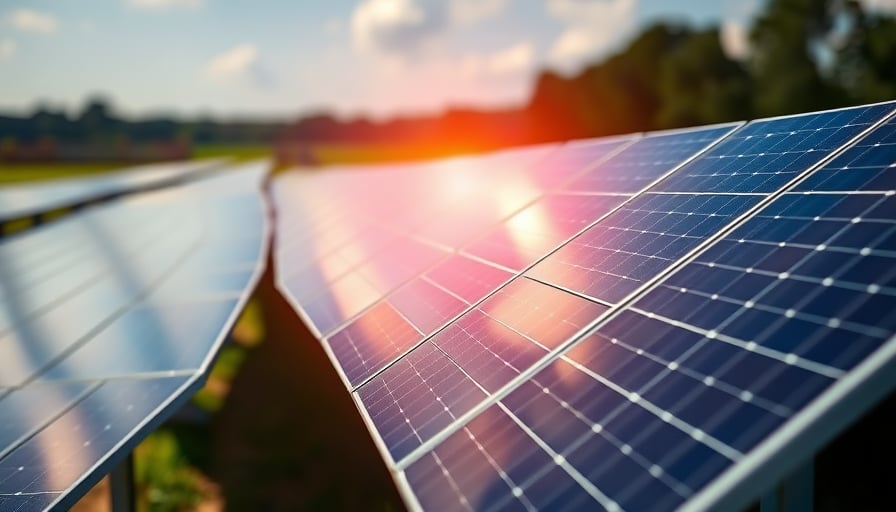
Turbo Energy SA, a renewable energy company based in Valencia, Spain, has recently come under scrutiny following its latest filings with the U.S. Securities and Exchange Commission (SEC). The company, which operates within the industrials sector and is listed on the Nasdaq, specializes in comprehensive energy storage systems integrated with artificial intelligence for energy management. Its primary focus is on storing solar photovoltaic energy, offering tailored all-in-one solutions to meet specific customer needs.
On March 27, 2026, Turbo Energy SA disclosed two separate filings under Form 3, revealing the ownership of a single share of its common stock by two individuals. The first filing was made under the name Soria Herandez Mariano, who is both a director and the chief executive officer of the company. The second filing listed Mikac Monika, another director, but not an officer. Both individuals are based in Valencia, Spain, and hold non-U.S. addresses.
These filings, while routine in nature, have sparked discussions among investors and analysts. The disclosures do not indicate a significant change in the company’s ownership structure, nor do they suggest any immediate impact on its market activity. However, the timing of these filings, coupled with the company’s recent financial performance, raises questions about the strategic direction and stability of Turbo Energy SA.
As of March 26, 2026, the company’s close price stood at $2.5, a stark contrast to its 52-week high of $20.45 on September 15, 2025, and its 52-week low of $0.57 on February 4, 2026. With a market capitalization of $6,680,000 USD and a price-to-earnings ratio of -13.53, the financial metrics paint a concerning picture. The negative P/E ratio, in particular, highlights the challenges the company faces in generating profits, a critical factor for investors assessing the company’s long-term viability.
Turbo Energy SA’s focus on renewable energy, specifically solar photovoltaic storage, positions it within a rapidly evolving industry. The integration of artificial intelligence for energy management is a forward-thinking approach, yet the company must navigate the complexities of technological advancements, regulatory changes, and market competition. The recent SEC filings, while not indicative of immediate financial distress, underscore the importance of transparency and strategic clarity in maintaining investor confidence.
In conclusion, while Turbo Energy SA continues to offer innovative solutions in the renewable energy sector, its recent financial performance and regulatory disclosures warrant close monitoring. Investors and stakeholders should remain vigilant, assessing the company’s ability to adapt and thrive in an increasingly competitive and dynamic market landscape.