Uber Technologies Inc: Navigating Market Perceptions, Regulatory Scrutiny, and a Competitive Delivery Landscape
Uber Technologies Inc., a leading industrial technology company headquartered in San Francisco, continues to be a focal point for investors, regulators, and industry analysts. With a market capitalization of approximately $133 billion and a 52‑week trading range of $64.69 to $100.35, the company’s stock price is under close observation as it expands its footprint beyond ride‑hailing into broader delivery and payment ecosystems.
1. Market Valuation and Investor Sentiment
A recent opinion piece on Seeking Alpha challenges the prevailing view that Uber’s platform is a high‑margin “burg graben” (economic moat). The analysis argues that the market may overvalue the company’s defensive advantages while overlooking the risk of a downturn in discretionary spending and regulatory headwinds. This perspective aligns with a broader narrative that Uber’s valuation at a price‑to‑earnings ratio of 14.39 is modest relative to its peers, yet still susceptible to market swings, as reflected by a 0.8 % drop in the share price on October 27.
The GF Value commentary on FeedBurner reinforces this sentiment, describing Uber as “undervalued” after the recent decline, suggesting that investors might find a buying opportunity if the company’s fundamentals remain robust. Meanwhile, the Roundhill UBER WeeklyPay ETF has begun distributing weekly dividends, indicating a growing interest among institutional investors in Uber’s earnings stability.
2. Regulatory Scrutiny: FTC Data Request
In a significant regulatory development, the U.S. Federal Trade Commission (FTC) has demanded that several major retailers and delivery firms—including Walmart, Uber, and Delta Air Lines—hand over data pertaining to personalized pricing practices. The request, reported by Reuters on October 28, underscores growing concerns about consumer protection and fair competition. For Uber, which operates both a ride‑sharing platform and a delivery service (Uber Eats), compliance with this data request could entail substantial operational adjustments and potential costs.
3. Expansion of Uber Eats’ Delivery Network
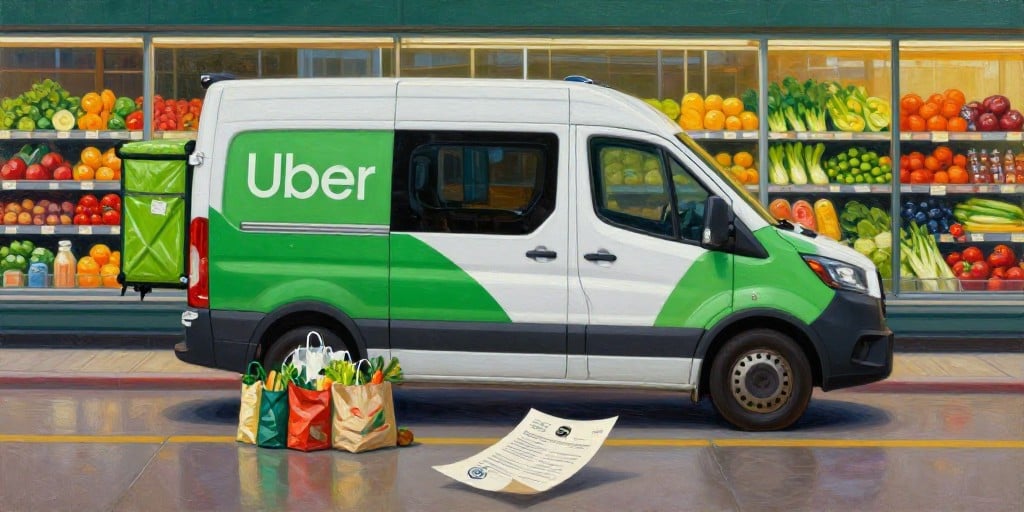
On October 27, Finanznachrichten announced that Uber Eats had partnered with a supermarket cooperative in Washington, expanding its ability to deliver grocery items alongside meals. This move represents a strategic shift toward “last‑mile” logistics, positioning Uber Eats to compete with specialized grocery‑delivery services such as DoorDash and Instacart. By integrating grocery partners, Uber aims to capture a larger share of the growing on‑demand delivery market, which is becoming increasingly crowded as competitors seek consolidation.
4. Competitive Consolidation in the Food‑Delivery Sector
The same day, Bloomberg reported that DoorDash had agreed to acquire Instacart in a transaction valued at $17 billion. This acquisition signals a broader trend toward consolidation within the delivery industry, as companies seek to broaden product offerings and scale logistics operations. While Uber has not announced any acquisition plans, its partnership with grocery retailers may serve as a countermeasure, allowing the company to expand its service portfolio without the capital outlay required for a full merger.
5. Delivery Hero’s Rising Growth Projections
Parallel to Uber’s activities, Delivery Hero, a German food‑delivery platform, has repeatedly raised its full‑year forecast following robust third‑quarter growth. Reuters and local German outlets reported that Delivery Hero now anticipates higher gross merchandise volume (GMV) for 2026. This upward revision reflects a broader appetite for on‑demand delivery services, yet it also intensifies competition for riders, delivery personnel, and market share—factors that could pressure Uber’s margins if it cannot match or exceed competitor efficiency.
6. Implications for Uber’s Strategic Position
Revenue Diversification: Uber’s expansion into grocery delivery via supermarket partners diversifies its revenue streams beyond rides and food, potentially stabilizing earnings amid fluctuating consumer travel patterns.
Regulatory Compliance Costs: The FTC data request may increase operational complexity and regulatory compliance expenses, potentially tightening profit margins unless offset by new revenue sources.
Competitive Pressure: DoorDash’s acquisition of Instacart and Delivery Hero’s optimistic outlook indicate a consolidating market that could compress margins. Uber’s ability to maintain cost efficiency and rider engagement will be crucial.
Investor Perception: Market analysts’ mixed views on Uber’s valuation suggest that the stock could experience volatility. However, the company’s robust market cap and steady partnership growth may mitigate short‑term downside risks.
7. Outlook
Uber Technologies Inc. stands at a crossroads where strategic partnerships, regulatory scrutiny, and industry consolidation converge. Its decision to integrate grocery delivery with established supermarket cooperatives, coupled with a vigilant approach to emerging regulatory demands, will likely shape its trajectory in the coming quarters. Investors and analysts will watch closely to see whether Uber can sustain its growth momentum while navigating an increasingly competitive and regulated delivery ecosystem.