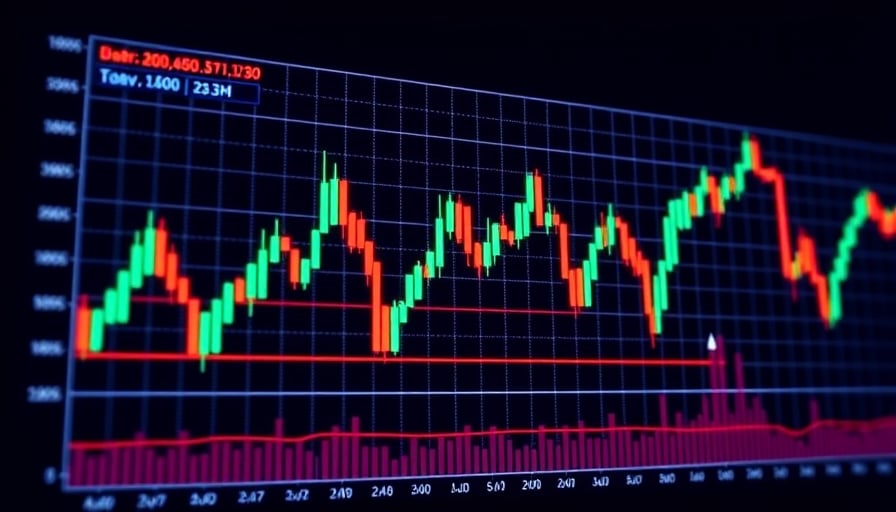
The Unifi Protocol DAO, a decentralized autonomous organization operating within the cryptocurrency space, has recently come under scrutiny due to its volatile performance and market dynamics. As of April 3, 2026, the protocol’s close price stood at $0.0480261, a figure that starkly contrasts with its 52-week high of $0.579625 recorded on July 22, 2025. This dramatic fluctuation underscores the inherent volatility and speculative nature of the cryptocurrency market, raising questions about the stability and long-term viability of such digital assets.
The recent 52-week low of $0.0442465, observed on March 28, 2026, further highlights the precarious position of Unifi Protocol DAO within the broader crypto ecosystem. This low point not only reflects the asset’s susceptibility to market whims but also signals potential underlying issues within the protocol’s governance, utility, or adoption strategies. With a market capitalization of $457,829.11, Unifi Protocol DAO occupies a modest position in the crypto hierarchy, suggesting that it may struggle to compete with more established or innovative projects.
The stark disparity between the 52-week high and low prices raises critical questions about the factors driving such volatility. Is it merely the result of speculative trading, or are there deeper issues at play within the protocol’s structure or its community’s engagement? The decentralized nature of DAOs, while offering unprecedented levels of autonomy and democratization, also presents unique challenges in terms of governance and decision-making. The effectiveness of Unifi Protocol DAO’s governance model in navigating these challenges remains a subject of debate.
Moreover, the protocol’s market cap, while not insignificant, pales in comparison to the giants of the crypto world. This raises concerns about Unifi Protocol DAO’s ability to attract investment, foster innovation, and achieve sustainable growth. In a market characterized by fierce competition and rapid technological advancements, the protocol must not only demonstrate its utility and value proposition but also adapt to the evolving landscape of decentralized finance (DeFi).
The future of Unifi Protocol DAO hinges on its ability to address these challenges head-on. It must refine its governance model, enhance its utility, and foster a vibrant community to ensure its relevance and success in the ever-changing crypto ecosystem. Failure to do so could result in further declines in value and relevance, potentially relegating Unifi Protocol DAO to the annals of crypto history as a cautionary tale of volatility and missed opportunities.
In conclusion, while the Unifi Protocol DAO presents an intriguing case study in the dynamics of decentralized autonomous organizations, its recent performance and market position highlight the critical challenges facing such entities. As the crypto market continues to evolve, the protocol’s ability to adapt, innovate, and engage its community will be paramount in determining its future trajectory.