
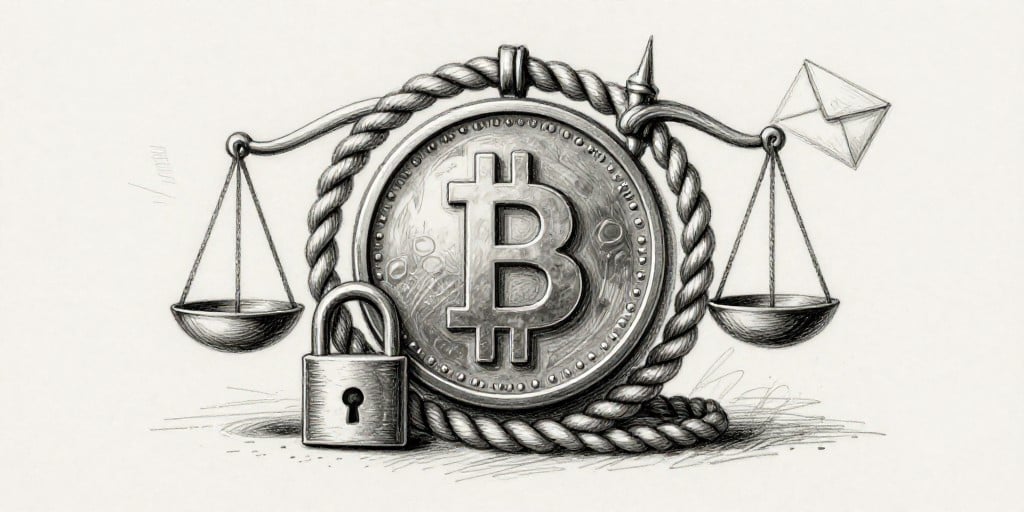
Tether USD (USDT) – Market Overview and Recent Developments
Market Status (19 July 2026)
- Close price: $0.999 365 per USDT.
- 52‑week high: $1.00751 (9 Oct 2025).
- 52‑week low: $0.989577 (6 May 2026).
- Market capitalization: $184 089 296 167.689.
1. Regulatory Action Against Iran‑Linked Wallets
On 21 July 2026 the U.S. Treasury’s Office of Foreign Assets Control (OFAC) froze $130 million in USDT held in four Tron wallets linked to Iran’s Islamic Revolutionary Guard Corps (IRGC). The Treasury cited the wallets’ participation in sanctions‑breaching activities.
- Tether coordinated the freeze, ensuring the assets were locked in accordance with U.S. sanctions.
- The move underscores the regulatory environment that can affect the liquidity of stablecoins even when they are pegged to the U.S. dollar.
2. Tether’s Role in a Canceled Three‑Way Merger
A $2.1 billion Tether‑backed merger involving Twenty One Capital, Strike, and Elektron Energy was announced earlier but was subsequently scrapped.
- Jack Mallers, formerly CEO of Twenty One Capital, resigned on 21 July 2026 following strategic disagreements with the board.
- The collapse of the merger illustrates the challenges of coordinating large‑scale institutional projects that rely on stablecoin financing.
3. Circle’s Expanding Blockchain Ecosystem
Circle CEO Jeremy Allaire announced that the company is building a four‑layer financial stack around its new blockchain, Arc.
- Despite Circle’s ambitions, Allaire reiterated that Tether remains the dominant digital dollar in the ecosystem.
- The statement reflects Tether’s continued market leadership and its entrenched position as the preferred stablecoin for liquidity, settlement, and cross‑border payments.
4. Market Context for Stablecoins
- Solana’s stablecoin market capitalization reached $15 billion, indicating broader adoption of stablecoins beyond Bitcoin and Ethereum.
- Tether Gold, a tokenized gold product issued by Tether, was recognized as an accepted spot commodity in Abu Dhabi’s financial center, expanding Tether’s product suite into tokenized precious metals.
Key Takeaways
- Regulatory scrutiny remains intense: The U.S. Treasury’s freeze demonstrates that stablecoins are still subject to sanctions enforcement.
- Institutional projects continue to rely on Tether: Even as large mergers falter, Tether’s stablecoin remains a key funding instrument.
- Tether’s dominance persists: Despite competition from Circle and other issuers, Tether is still the preferred digital dollar for market participants.
- Diversification of Tether’s offerings: The company’s expansion into tokenized commodities and support for various blockchains broadens its ecosystem footprint.
These developments collectively highlight the central role of Tether USD in the current cryptocurrency infrastructure and its continued resilience in a regulatory‑tightening environment.