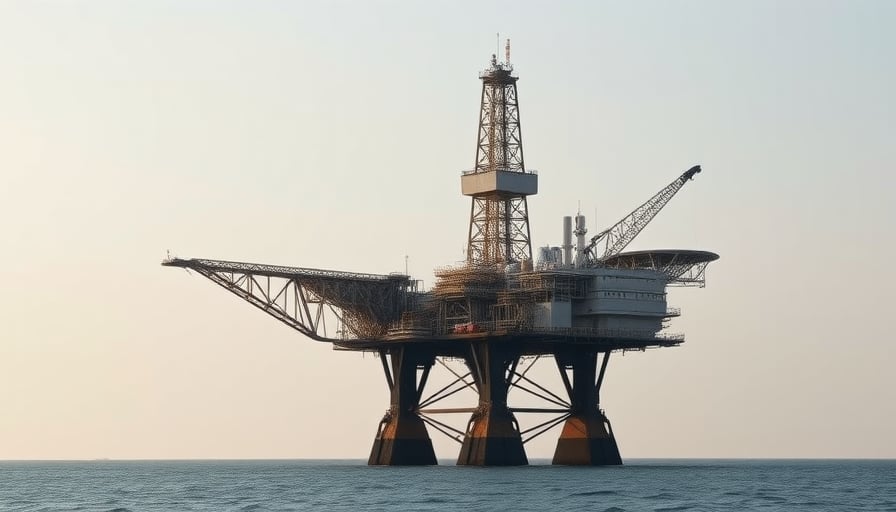
In the ever-evolving landscape of the energy sector, Valeura Energy Inc. stands as a testament to the volatile nature of the oil and gas industry. As a company deeply entrenched in the exploration and production of petroleum and natural gas, Valeura Energy’s operations in the Thrace Basin of Northwest Turkey are pivotal to its strategic objectives. However, recent developments—or the lack thereof—paint a picture of stagnation that demands scrutiny.
As of March 7, 2026, Valeura Energy Inc. has reported no new developments since its last announcement on March 3, 2026. This announcement highlighted Thailand’s shift towards prioritizing domestic energy supply, a move that could have significant implications for global energy markets. Despite this potentially transformative news, Valeura Energy’s response—or absence thereof—raises questions about its strategic agility and foresight.
The company’s financial metrics offer a mixed bag of insights. With a close price of CAD 11.77 on March 5, 2026, Valeura Energy’s stock performance over the past year has been a rollercoaster. The stock reached a 52-week high of CAD 12.01 on the same day, yet it plummeted to a low of CAD 6.06 on April 6, 2025. This volatility underscores the inherent risks associated with the energy sector, particularly for companies like Valeura Energy that are heavily reliant on exploration and production activities.
Financially, Valeura Energy’s price-to-earnings ratio stands at 3.72, suggesting that the market may have tempered its expectations for the company’s future earnings growth. Coupled with a price-to-book ratio of 1.53, these figures indicate a cautious investor sentiment, possibly reflecting concerns over the company’s ability to capitalize on emerging opportunities in the energy landscape.
With a market capitalization of 1.21 billion CAD, Valeura Energy’s valuation is modest, especially when considering the scale of operations and the potential of the Thrace Basin. This raises critical questions about the company’s strategic direction and its capacity to leverage its assets effectively. Are the current management strategies sufficient to navigate the complexities of the global energy market, or is a more aggressive approach required to unlock the full potential of Valeura Energy’s resource base?
The lack of recent developments from Valeura Energy Inc. is not merely a reflection of the company’s current state but a harbinger of the challenges that lie ahead. In an industry where innovation and adaptability are paramount, Valeura Energy’s silence is deafening. As the global energy landscape continues to shift, with countries like Thailand reevaluating their energy priorities, companies like Valeura Energy must demonstrate a proactive stance. The question remains: will Valeura Energy rise to the occasion, or will it remain a bystander in the unfolding narrative of the energy sector?
In conclusion, Valeura Energy Inc.’s current trajectory is a microcosm of the broader challenges facing the oil and gas industry. As the company navigates the complexities of exploration and production in the Thrace Basin, its ability to adapt and innovate will be critical. The coming months will be telling, as stakeholders watch closely to see whether Valeura Energy can transform its potential into tangible success or if it will continue to tread water in an industry that waits for no one.