
Verastem, Inc., a development-stage biopharmaceutical company headquartered in Needham, Massachusetts, finds itself at a critical juncture in its journey within the health care sector, specifically within the biotechnology industry. As of the close of trading on August 31, 2026, Verastem’s stock price stood at $7.61, a stark contrast to its 52-week high of $11.25 recorded on September 4, 2025. This decline is further accentuated by its 52-week low of $3.43, observed on June 24, 2026. With a market capitalization of approximately $653.87 million, the company’s financial metrics, including a negative price-to-earnings ratio of -3.16, paint a picture of a company grappling with the inherent volatility and challenges of the biopharmaceutical development landscape.
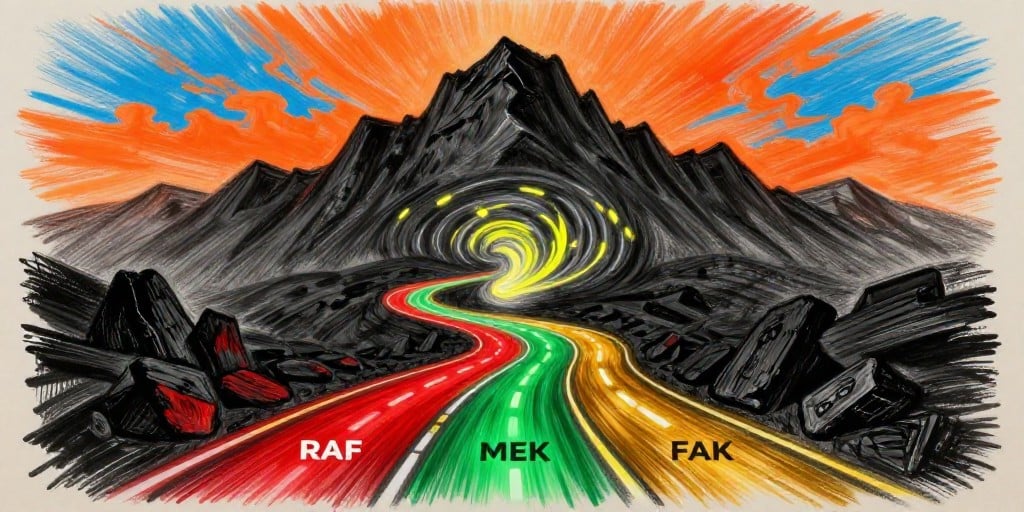
Verastem’s strategic focus on the development and commercialization of innovative medicines and treatments for cancer and tumor growth, with a particular emphasis on RAF, MEK, and focal adhesion kinase (FAK) inhibition, positions it at the forefront of a critical battle against one of humanity’s most formidable foes. Despite the noble pursuit of groundbreaking treatments, the company’s financial indicators suggest a tumultuous path ahead. The negative price-to-earnings ratio, a reflection of the market’s skepticism towards the company’s current profitability and future earnings potential, underscores the high-risk, high-reward nature of biopharmaceutical development.
Since its initial public offering on January 27, 2012, Verastem has navigated the complex and often unforgiving terrain of drug development and commercialization. The company’s commitment to serving patients and healthcare professionals in the United States is commendable; however, the financial metrics reveal a narrative of struggle and uncertainty. The fluctuating stock price, coupled with a significant market cap, highlights the volatile nature of investor confidence in the biotechnology sector, particularly for companies like Verastem that are in the development stage.
The challenges faced by Verastem are emblematic of the broader biopharmaceutical industry, where the path from laboratory to market is fraught with scientific, regulatory, and financial hurdles. The company’s focus on RAF, MEK, and FAK inhibition represents a targeted approach to cancer treatment, aiming to disrupt the signaling pathways that drive tumor growth and survival. However, the journey from promising preclinical results to successful clinical trials and, ultimately, regulatory approval and commercial success is a marathon, not a sprint.
In conclusion, Verastem, Inc. stands at a pivotal point in its quest to bring innovative cancer treatments to market. The company’s financial metrics, while currently reflecting the challenges inherent in the biopharmaceutical development process, also underscore the potential for significant breakthroughs that could redefine cancer treatment paradigms. As Verastem continues to navigate the complexities of drug development, the biotechnology sector watches closely, aware that the company’s journey could herald a new era in the fight against cancer. The road ahead is uncertain, but the potential rewards for patients, healthcare professionals, and investors alike are immense, should Verastem succeed in its mission.