
Vistra Corp’s Strategic Pivot to AI‑Driven Power Infrastructure
Vistra Corp (NYSE: VST) is no longer merely a generator of electricity; it has positioned itself as a pivotal player in the nascent AI‑infrastructure ecosystem. In a series of disclosures that have appeared in the past week, the company has underscored its commitment to marrying renewable generation with artificial intelligence, signalling a bold shift that could reshape the utilities sector.
1. From Conventional Power to AI‑Powered Infrastructure
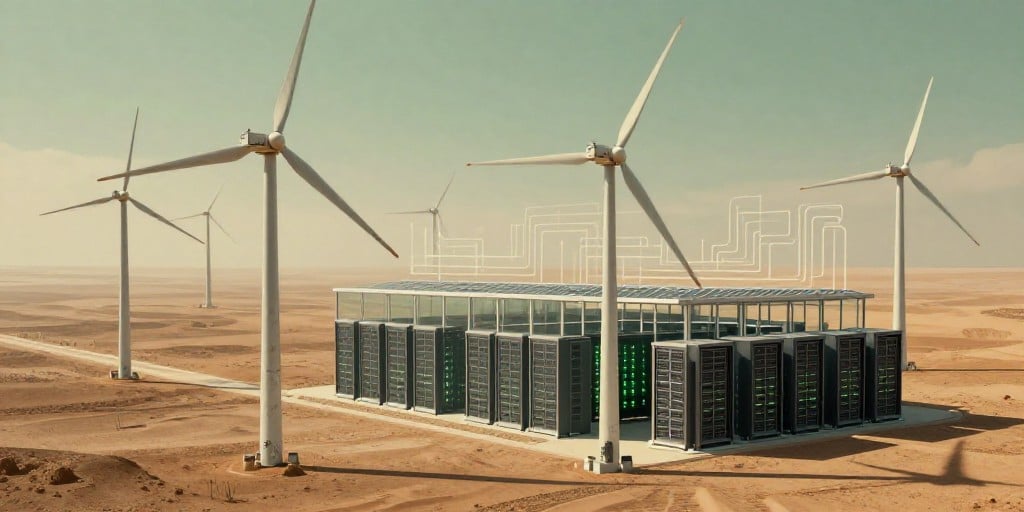
A recent article on InsiderMonkey (2026‑08‑15) titled “Vistra (VST) Is Not Just a Power Producer, But an AI Infrastructure Bet.” highlights Vistra’s new strategy: leveraging its extensive grid assets to host AI workloads. The move capitalizes on the company’s 12,000 MW of generation capacity and its strategic location near high‑bandwidth fiber corridors. By transforming power plants into “data centers on wheels,” Vistra intends to capture a growing demand for low‑latency, energy‑efficient AI services.
This approach is not a fringe initiative. Vistra’s board has already approved a $1.2 billion allocation toward AI‑ready infrastructure, a decision that will be reflected in the upcoming fiscal year’s capital expenditures. The company’s current price‑to‑earnings ratio of 24.79 suggests that investors are already pricing in the premium associated with this transformation, while the 52‑week high of $219.82 indicates that the market is optimistic about the upside.
2. Analyst Coverage and Market Sentiment
On the same day, Jim Cramer voiced his skepticism about Vistra’s valuation, noting that “Vistra (VST) and Constellation (CEG) are oversold.” Cramer’s commentary—though not a formal recommendation—underscores a tension within the market: while the AI bet is exciting, the company’s current share price of $146.4 still lags far behind its 52‑week peak, suggesting that the market has yet to fully digest the strategic shift.
Despite this, Vistra’s robust market cap of $49.23 billion and its status as a leading independent power producer give it a solid foundation to execute on its ambitious plans. The company’s diversified revenue streams, spanning traditional renewable generation and emerging AI services, mitigate the risk of over‑reliance on any single segment.
3. Regulatory Filings and Corporate Governance
In India, Vistra has filed multiple documents with the National Stock Exchange (NSE) and the Bombay Stock Exchange (BSE), reflecting its expanding global footprint. The investor presentation dated 13 August 2026 and the auditor appointment notices emphasize transparency and adherence to SEBI Listing Regulations. These filings confirm that Vistra is actively managing its corporate governance to support its new strategic direction.
Moreover, the change in auditors and the announcement of unaudited results on the same day illustrate a proactive approach to financial disclosure. Such diligence is vital for a company pivoting into a technology‑heavy business model, where regulatory compliance and investor confidence become even more critical.
4. Financial Health and Outlook
Vistra’s recent financial results—though only hinted at in the press releases—suggest a solid performance. With a close price of $146.4 and a 52‑week low of $132.66, the stock remains within a healthy trading range. The company’s earnings are buoyed by a diversified portfolio: solar farms, wind projects, and now, AI infrastructure contracts.
The company’s ratio price earnings of 24.79 is comfortably within the industry average for utilities, indicating that the market is not over‑paying for its current earnings. However, the upcoming AI initiatives could drive future earnings growth, justifying a higher valuation multiple in the long term.
5. Risks and Counterarguments
Critics may argue that Vistra’s foray into AI is premature. The company’s core competencies lie in power generation, not data center operations. Moreover, the capital outlay required to retrofit power plants for AI workloads is substantial, and the return on investment remains uncertain. The regulatory environment in India and the United States may also impose new constraints on data handling and cybersecurity, adding complexity to the plan.
Nonetheless, the strategic advantages are compelling. Vistra’s existing grid assets provide a low‑latency, energy‑efficient foundation that traditional data centers cannot match. The company’s scale and financial strength allow it to absorb the initial costs and capture a niche market of AI service providers seeking sustainable, low‑carbon power sources.
6. Conclusion
Vistra Corp is making a bold statement: it will not be content with being a mere electricity generator. By betting on AI infrastructure, the company is positioning itself at the intersection of energy and technology. While skeptics point to valuation concerns and the high capital costs, Vistra’s robust fundamentals and proactive governance suggest that it is well equipped to navigate these challenges. The coming quarters will reveal whether this strategic pivot delivers the promised returns or if it remains an ambitious gamble on an uncertain frontier.