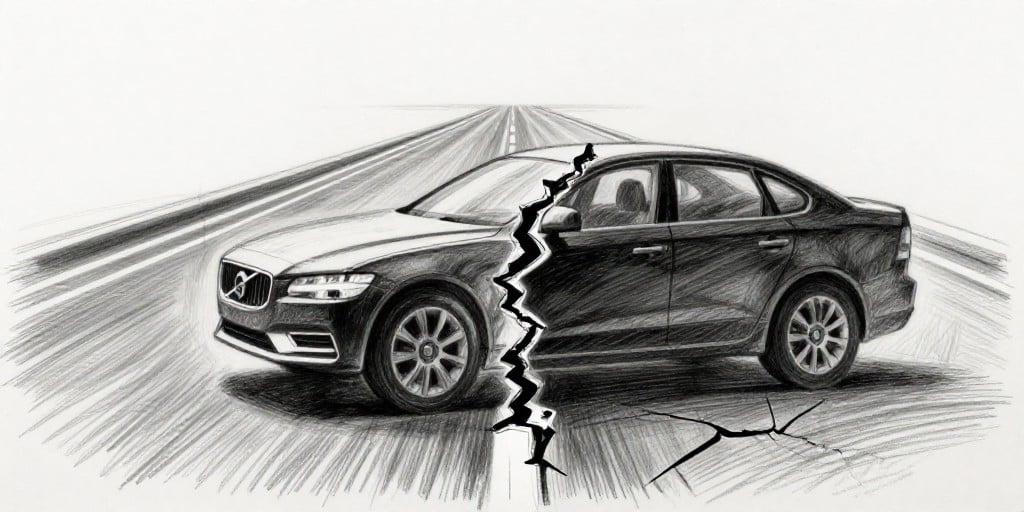
Volvo Cars Faces a Third‑Quarter Loss and a 2,500‑Job Cut
Volvo Cars, the Swedish luxury‑vehicle subsidiary of the Volvo Group, reported a stark reversal of fortunes in its most recent quarterly results. The company posted a loss of SEK 3.7 billion in the third quarter of 2026, a dramatic swing from the SEK 6.4 billion profit recorded in the same period a year earlier. The shortfall was attributed primarily to weak sales volumes, especially in the highly competitive Chinese market, and to the broader slowdown in automotive demand across Europe and the United States.
Impact on the Business
The loss is part of a broader trend of declining profitability for Volvo Cars. While the Volvo Group as a whole reported a robust 8 % revenue increase in the quarter—thanks in part to strong demand for its trucks and construction equipment—Volvo Cars’ share of the group’s earnings has eroded. The company’s top‑line growth stalled, and the volume decline translated into lower margins.
Cost‑Cutting Measures
In response to the loss, Volvo Cars’ board approved a severe cost‑reduction plan that will see the company cut approximately 2,500 jobs worldwide. This figure represents roughly 40 % of the workforce that was laid off in a previous round of restructuring. The cuts will be spread across all regions, with about 2,000 positions affected in Sweden where the company’s headquarters are located, and the remainder in North America, Asia, and Europe.
The cost‑saving programme is expected to generate SEK 5 billion in annual savings, helping to offset the current earnings deficit and to stabilize the company’s financial footing. The board has indicated that the measure will be completed over the next 12 months, with an emphasis on preserving core product development and engineering capabilities.
Market Reaction
Shares of Volvo Cars plunged on the Stockholm Stock Exchange, falling as much as 25 % in early trading. The drop was part of a broader sell‑off in the European auto sector, where investors reacted to disappointing earnings reports from several competitors and to heightened concerns over rising oil prices and geopolitical tensions. The Stoxx Europe 600 Index fell 0.3 %, led lower by the auto sector.
Meanwhile, the broader Volvo Group remained more resilient. Its share price, which closed at SEK 320.6 on 20 October, hovered near the 52‑week high of SEK 374.5, reflecting continued strength in its truck and construction‑equipment divisions. The group’s market capitalization stands at 639.3 billion SEK, and its price‑earnings ratio of 17.84 suggests that investors still value the group’s industrial operations despite the setback in its luxury‑vehicle arm.
Outlook
Volvo Cars will need to navigate a challenging competitive landscape, particularly in China, where local manufacturers offer aggressive pricing and strong brand recognition. The company’s strategy will hinge on leveraging its technological strengths—such as electrification and autonomous driving capabilities—while tightening its cost structure and focusing on high‑margin segments.
Investors will be closely monitoring the effectiveness of the 2,500‑job reduction plan and the company’s ability to return to profitability in the next fiscal quarter. The Volvo Group’s broader health, however, provides a cushion that may allow Volvo Cars to weather the short‑term downturn while pursuing long‑term growth initiatives.