
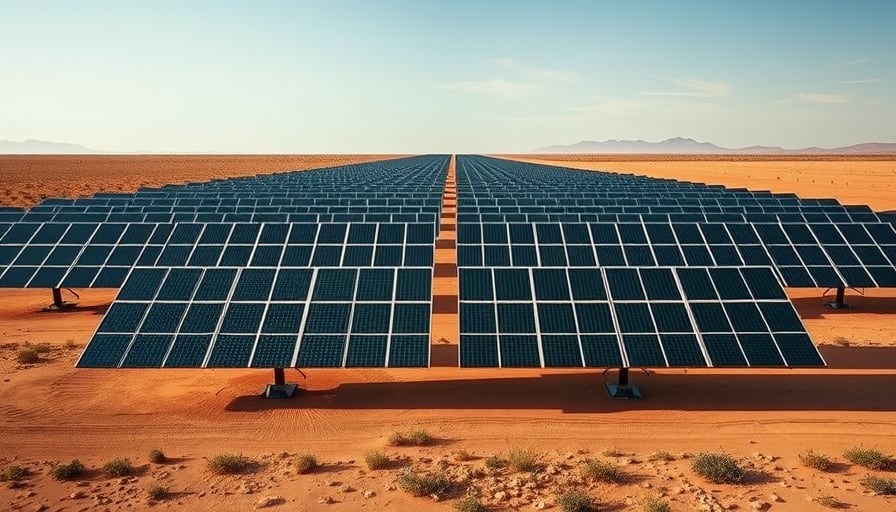
YPF SA, a prominent player in the energy sector, has been navigating a complex landscape marked by both opportunities and challenges. As an energy company operating primarily in Argentina, YPF SA has carved out a significant niche in the development and production of both conventional and unconventional gas and oil. Its strategic focus on renewable sources such as wind, sun, land, and water underscores a commitment to sustainable energy practices, positioning the company as a forward-thinking entity in South America’s energy market.
Despite its robust operational framework, YPF SA’s financial performance has exhibited volatility. The company’s stock closed at USD 36.29 on January 1, 2026, reflecting a 24% decline from its 52-week high of USD 47.43 on January 9, 2025. This downturn, however, is tempered by the fact that the stock remains above its 52-week low of USD 22.82, recorded on September 18, 2025. Such fluctuations highlight the inherent uncertainties within the energy sector, influenced by global market dynamics and regional economic conditions.
The company’s valuation metrics further illuminate its current market standing. With a price-to-earnings ratio of 13.53, YPF SA’s earnings support is moderate, suggesting a cautious investor sentiment. Additionally, a price-to-book ratio of 1.65 indicates that the market values the firm slightly above its book value, reflecting a modest premium on equity. These figures suggest that while YPF SA is perceived as a stable investment, there is room for growth and improvement in market perception.
Beyond its financial metrics, YPF SA’s engagement with public policy has been noteworthy. The company’s president recently participated in a discussion with a Turkish parliament member on youth and digital policy, highlighting YPF’s proactive stance in addressing broader societal issues. This engagement not only underscores the company’s commitment to corporate social responsibility but also positions it as a key player in shaping public policy discourse.
In summary, YPF SA stands at a critical juncture. While its financial performance has been marked by volatility, its strategic focus on renewable energy and active engagement in public policy discussions position it as a resilient and forward-thinking entity. As the company navigates the complexities of the energy sector, its ability to adapt and innovate will be crucial in maintaining its competitive edge and achieving long-term growth.