Market Context and Its Implications for Yunnan Coal & Energy (YNCE)
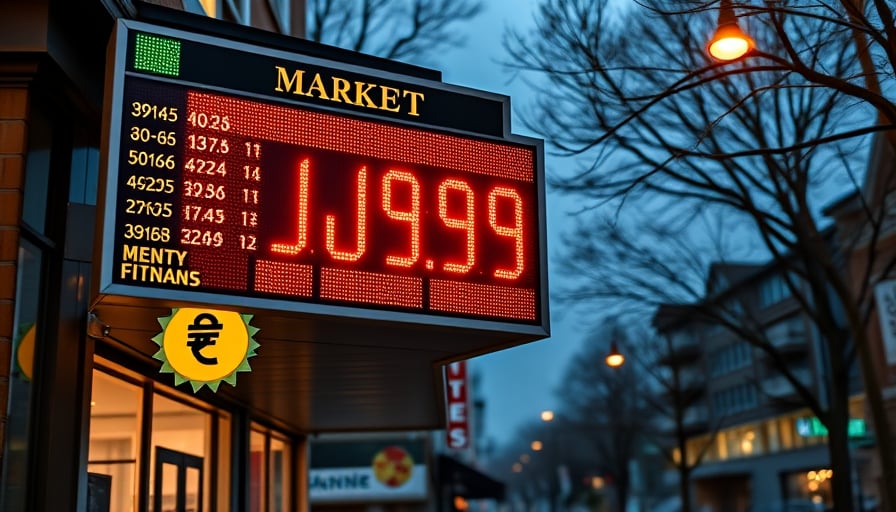
The Shanghai Stock Exchange opened on April 3, 2026 with the Shanghai Composite Index falling nearly 1 % to 3 882.69 points, falling below the 3 900‑point threshold for the first time since the end of March. Trading volume across the mainland exchanges declined by 1.157 trillion CNY relative to the prior session, while the number of down‑trending shares exceeded 4 700. This broad‑based sell‑off was driven primarily by weakening sentiment in the coal‑mining, power‑generation and chemical subsectors, sectors that include YNCE.
| Market Indicator | Result |
|---|---|
| Shanghai Composite (mid‑day) | –0.93 % |
| Shenzhen Component | –0.73 % |
| ChiNext (growth) | –0.21 % |
| Technology‑heavy index (科创综指) | +0.11 % |
Sector‑Specific Developments
- Coal and Chemical Dislocation: The coal‑mining segment suffered a 9 % decline in the leading coal‑producer Yunnan Coal Energy (云煤能源), mirroring a broader retreat in the coal‑based chemical industry. The CPO (Coal‑to‑Petroleum) concept, a critical component of YNCE’s product mix (e.g., metallurgical coke, coal gas, crude benzene), experienced a modest intraday rally, but the overall sector sentiment remained negative.
- Power‑Generation Weakness: Power‑generation stocks fell sharply, with several utility shares hitting near‑stop‑loss levels. This trend reflects a continued shift away from coal‑fired generation, which could affect the downstream demand for YNCE’s coke and coal‑derived products.
- Technology‑Sector Resilience: In contrast, indices tied to semiconductor equipment (光刻机, 光刻胶) and artificial‑intelligence infrastructure (算力硬件, 计算租赁) posted modest gains. These developments highlight the growing importance of high‑tech manufacturing and digital infrastructure—areas where YNCE’s ancillary expertise (e.g., transport equipment, environmental protection equipment) may offer diversification opportunities.
YNCE’s Position in the Current Landscape
- Product Diversification: YNCE’s portfolio spans metallurgical coke, coal gas, crude benzene, tar, methanol, ammonium sulfate, sulfur, and related chemicals. This breadth insulates the company from volatility in any single commodity, but the prevailing decline in coal‑based chemistry markets presents a short‑term pressure on revenue streams.
- Equipment Manufacturing Arm: The company’s subsidiary operations—design, manufacturing, and maintenance of cranes, belt conveyors, metallurgical and mining equipment, wind power and water‑conservation machinery, and environmental protection equipment—provide a strategic hedge against the cyclicality of the coal industry. The current market enthusiasm for renewable‑energy infrastructure (e.g., wind power equipment) could drive growth in this arm.
- Financial Levers: YNCE’s market capitalization stands at 4.74 billion CNY, with a trailing close of 4.27 CNY per share (as of March 31). The negative price‑to‑earnings ratio of –8.96 indicates that the market currently discounts the company’s earnings prospects, likely due to the broader coal‑sector downturn.
Forward‑Looking Assessment
- Short‑Term Outlook
- Demand Side: The immediate effect of the market sell‑off will likely compress YNCE’s sales of coke and coal‑derived chemicals. The sector’s sensitivity to commodity pricing and policy shifts (e.g., carbon‑pricing initiatives) remains high.
- Revenue Diversification: The equipment manufacturing segment may buffer the company against a brief dip in chemical sales, as demand for mining and wind‑energy equipment remains relatively inelastic during economic cycles.
- Mid‑Term Catalysts
- Renewable‑Energy Expansion: The Chinese government’s push for wind and solar infrastructure, coupled with YNCE’s existing portfolio of wind‑power and environmental protection equipment, positions the firm to capture new revenue streams.
- Technological Upgrades: Investment in digitalization (e.g., IoT‑enabled equipment monitoring) could enhance operational efficiency and open premium pricing avenues.
- Long‑Term Risks
- Structural Shift Away from Coal: Persistent regulatory and market pressures to decarbonize could erode the long‑term demand for coal‑based products. YNCE must accelerate its transition to a low‑carbon portfolio, potentially through green chemistry initiatives.
- Competitive Intensity: Both domestic and foreign competitors in the chemical and equipment sectors are rapidly innovating. YNCE’s ability to sustain competitive advantages in product quality and cost efficiency will be critical.
Strategic Recommendations
| Action | Rationale | Expected Impact |
|---|---|---|
| Accelerate investment in wind‑energy and water‑conservation equipment | Aligns with national policy and leverages existing manufacturing capabilities | Diversifies revenue, mitigates coal‑dependency |
| Expand digitalization of equipment operations | Improves asset reliability and offers service‑based revenue models | Enhances margin stability |
| Pursue green chemistry projects | Addresses regulatory pressure and opens new market segments (e.g., bio‑based solvents) | Positions YNCE as a forward‑thinking chemical producer |
| Monitor commodity pricing and policy changes closely | Allows proactive adjustment of pricing and production schedules | Reduces exposure to commodity volatility |
In summary, while the April 3 market conditions signal a challenging environment for YNCE’s coal‑derived chemical business, the company’s diversified manufacturing base and alignment with renewable‑energy infrastructure development provide a pathway to resilience. Strategic focus on green transitions, digital innovation, and equipment diversification will be decisive in navigating the forthcoming market turbulence and positioning YNCE for sustainable growth.